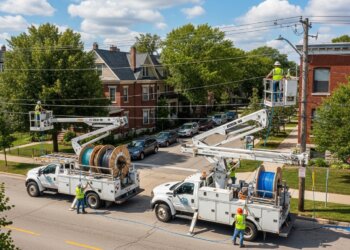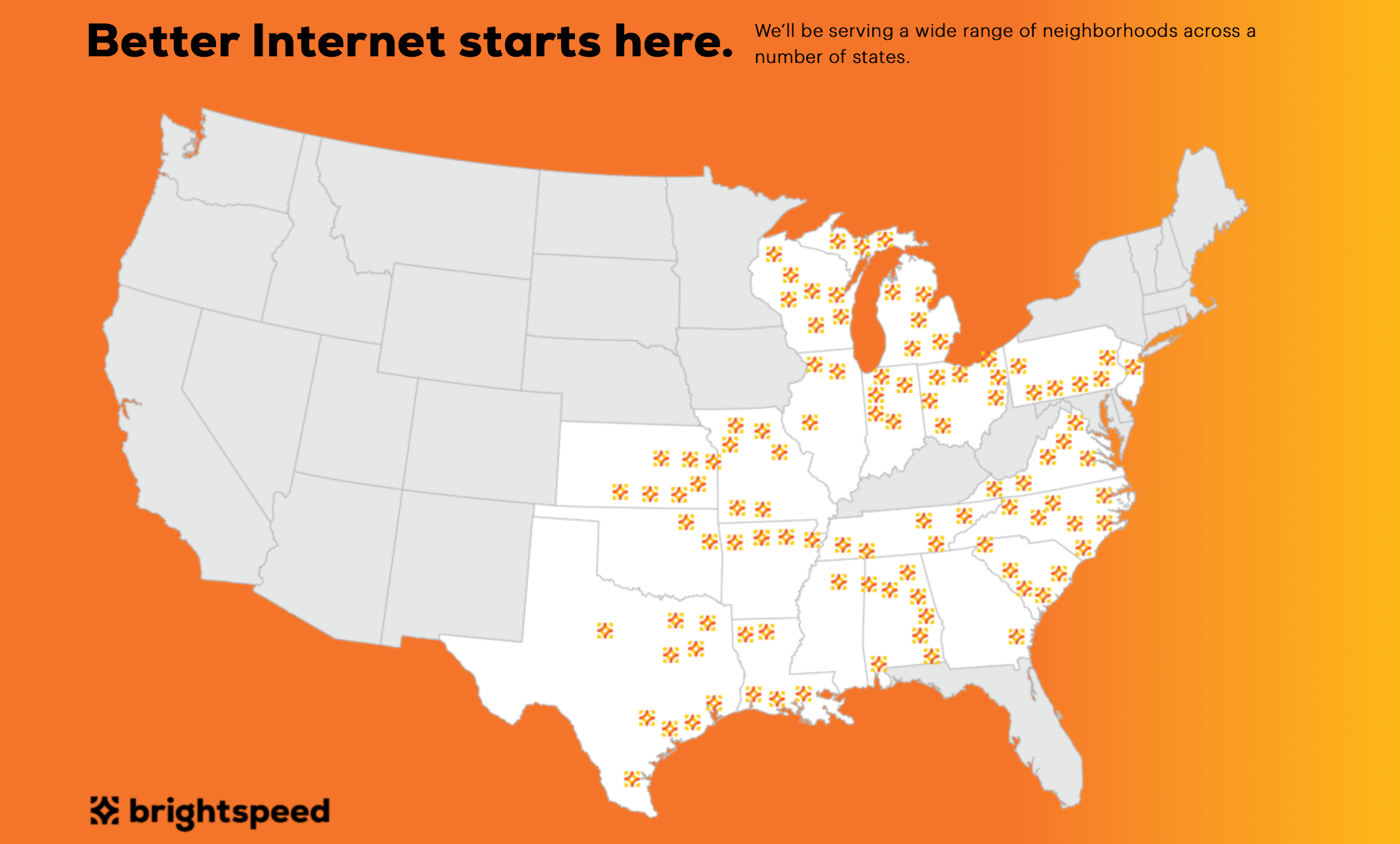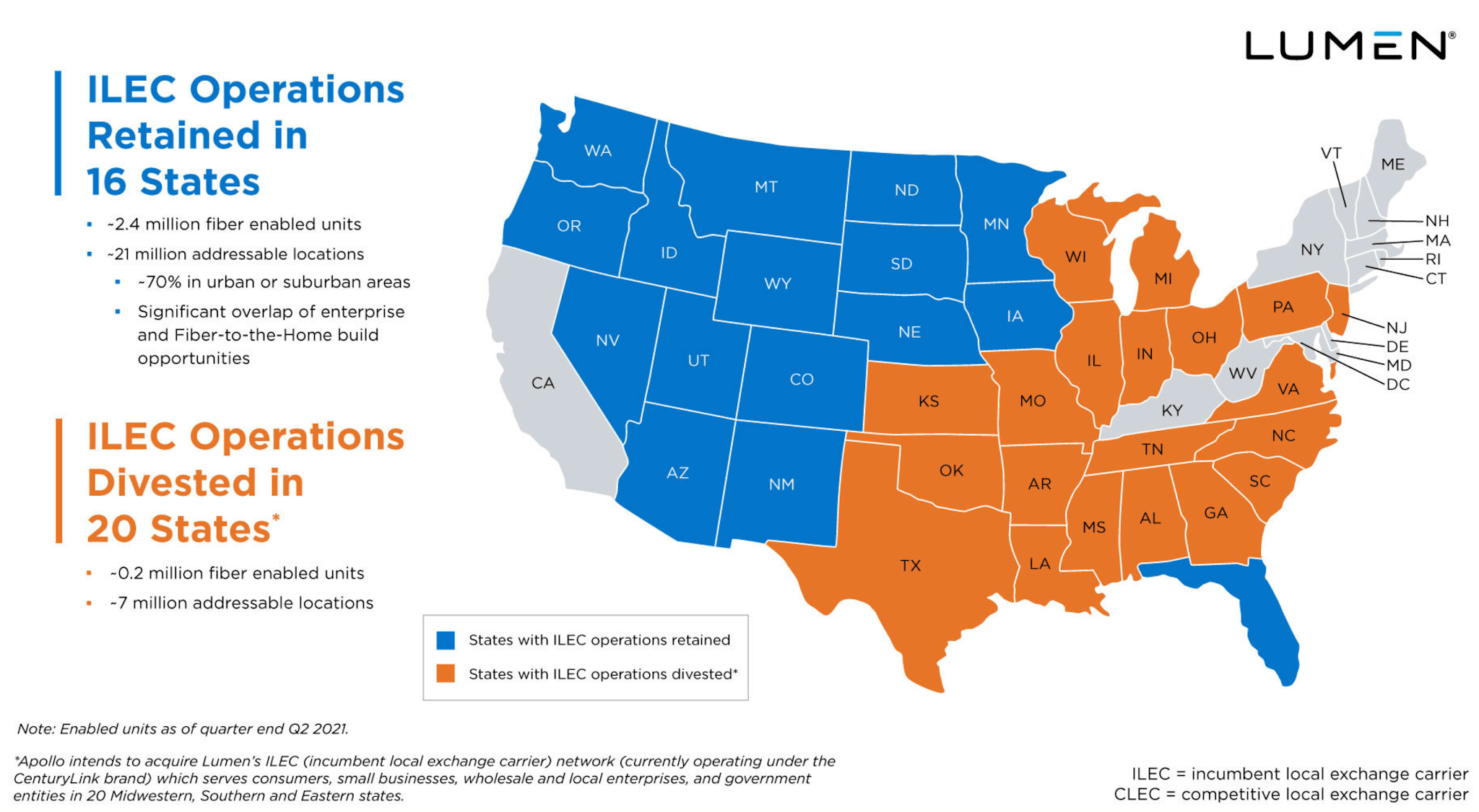
Brightspeed reported it has passed more than 3 million fiber-enabled locations across its 20-state footprint, marking its second consecutive year of exceeding 1 million new fiber passings. The Charlotte-based broadband provider said the milestone reflects continued execution of its large-scale fiber expansion strategy, with a stated goal of reaching 4 million locations by the end of 2026 and more than 5 million longer term.
The company’s build program targets underserved and rural markets, where legacy copper infrastructure has historically limited broadband performance. Brightspeed said its fiber network supports gigabit-class services and integrates WiFi 7 to improve in-home coverage and performance for high-bandwidth applications such as streaming, remote work, and connected devices. The company operates across a footprint capable of serving more than 7.3 million homes and businesses.
Brightspeed’s expansion combines private investment with more than $860 million in awarded federal, state, and local broadband funding. These subsidies are expected to extend its planned footprint by more than 338,000 additional locations. The company emphasized ongoing efforts to accelerate customer turn-ups alongside network construction, as it scales deployment across multiple regions.
- Surpassed 3 million fiber-enabled locations across 20 states
- Achieved second consecutive year of 1M+ annual fiber passings
- Targeting 4 million locations by end of 2026 and 5M+ longer term
- Focus on underserved and rural markets transitioning from copper to fiber
- Leveraging WiFi 7 for in-home performance alongside gigabit fiber access
- $860M+ in public funding supporting expansion of ~338,000 additional locations
- Network footprint capable of serving 7.3 million homes and businesses
“Our second straight year of one million passings highlights the strength and predictability of our build engine,” said CEO Michel Combes. “This puts us firmly on track to reach four million homes by the end of this year and accelerates our goal to exceed five million fiber-enabled locations across our footprint.”
🌐 Analysis
Brightspeed emerged in 2021 when Apollo Global Management acquired legacy copper and DSL assets from Lumen Technologies (formerly CenturyLink) in a ~$7.5 billion transaction. The assets included ILEC operations across largely rural and secondary markets in 20 states, forming the foundation for a new fiber-centric operator. Under CEO Michel Combes, Brightspeed pivoted away from copper toward an aggressive FTTH overbuild strategy, positioning itself as a rural-focused fiber challenger alongside operators such as Frontier Communications and Windstream.
Since launch, Brightspeed has executed a multi-year transformation: retiring copper infrastructure, scaling greenfield fiber construction, and leveraging federal programs such as RDOF and BEAD-aligned funding to improve project economics. Its consistent 1M+ annual passing rate places it among the faster fiber builders in the U.S., though still behind large-scale incumbents like AT&T and Verizon in absolute scale. The company’s focus on underserved geographies aligns with broader policy priorities around closing the digital divide, while its success depends on maintaining build efficiency, controlling customer acquisition costs, and converting passings into active subscribers in competitive and subsidy-driven markets.