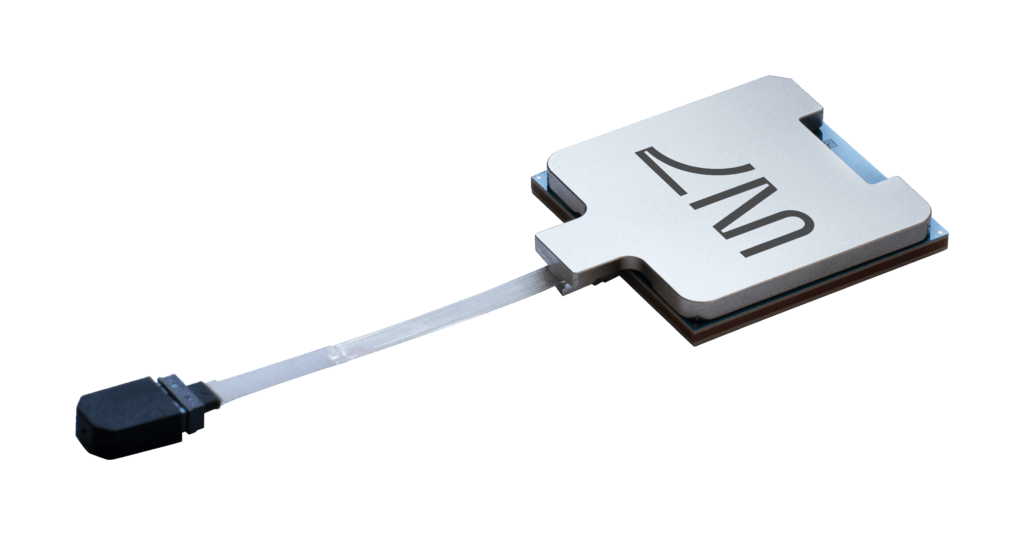
Lightmatter announced a technical collaboration with Cadence to develop co-packaged optics (CPO) solutions that combine Cadence’s silicon-proven high-speed SerDes and UCIe IP with Lightmatter’s Passage optical engine. The effort targets hyperscale AI and high-performance computing environments, where power, bandwidth density, and manufacturability increasingly constrain system design.
The collaboration focuses on integrating optics-optimized SerDes and disaggregated chiplet interfaces with advanced-node CMOS and industry-standard packaging workflows. By aligning Cadence’s connectivity IP and EDA capabilities with Lightmatter’s silicon photonics and laser technologies, the companies aim to deliver manufacturing-ready CPO platforms suitable for custom AI accelerators and switches used in large-scale AI clusters.
As AI infrastructure shifts from pluggables and near-packaged optics toward fully integrated 2D and 3D-stacked photonic interconnects, the two companies position this work as a path to reduce electrical bottlenecks at scale. The roadmap emphasizes system-level co-design across electrical, optical, and packaging domains to support both scale-up and scale-out AI architectures.
- Integration of high-speed SerDes and UCIe IP with Lightmatter’s Passage CPO platform
- Alignment with advanced-node CMOS and standard packaging flows for manufacturability
- Focus on reducing power and latency at the electrical-to-optical interface in AI systems
“The next big leap in AI performance requires a fundamental change in how we move data,” said Ritesh Jain, SVP of Engineering & Operations at Lightmatter. “Cadence’s connectivity IP is an ideal complement to our Passage platform. Together, we are paving the way for CPO deployment by solving the most complex optics-electronics integration challenges.”
🌐 Analysis
This collaboration underscores how CPO progress now depends as much on interface IP and design workflows as on photonics themselves. Cadence has steadily expanded its SerDes, UCIe, and advanced packaging capabilities to support AI-centric silicon, while Lightmatter continues to advance Passage as a 3D-stacked photonic engine aligned with hyperscaler requirements. Similar efforts across the ecosystem—including parallel work by EDA vendors, interface IP suppliers, and photonics startups—suggest that CPO timelines are increasingly gated by integration maturity and manufacturing readiness rather than optical feasibility alone.