Okinawa subsea cable to deliver 80 Tbps design capacity
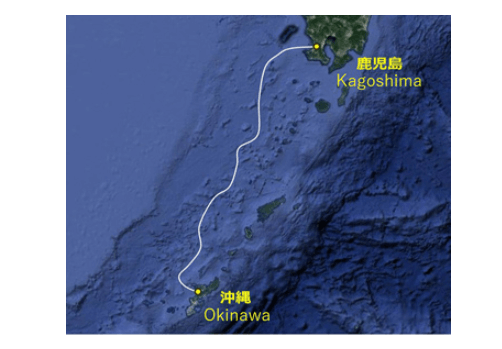
The Okinawa Cellular Telephone Company has selected NEC to design, engineer, supply, install, test and implement an optical submarine cable system connecting Okinawa Prefecture and Kagoshima Prefecture in Japan.
The subsea cable will span a total length of approximately 760 km at a maximum depth of approximately 1,200 m. The cable system employs the latest optical wavelength multiplex transmission method, and the maximum design transmission capacity is 80 Tbps. The system is expected to enter service in April 2020.
Every article published by Converge Digest is researched, curated, fact-checked and editorially reviewed by Jim Carroll, Editor & Publisher. AI-assisted drafting may be used to accelerate production, but all content is reviewed, refined and approved prior to publication.
You just read about Cable. Here is what it replaced:
Open-wire lines served 1880–1980. What ultimately replaced it?
Open-wire lines bare copper conductors bolted to glass insulators on wooden crossarms; wires were periodically transposed (crossed over) to cancel crosstalk and interference. Weather-exposed and very low capacity. Its job passed to Cable — but the problem it solved, and the ideas it proved, live on in what replaced it. The standard rests here in the archive. One of 198 technologies here that opened a door and then held it for the next.