#MWC16- Samsung’s Galaxy S7 Equipped for LTE Cat.9 (450/50Mbps)
Samsung unveiled its flagship Galaxy S7 and Galaxy S7 edge smartphones featuring a more refined design, more advanced camera, streamlined software functionality and unparalleled connectivity to a galaxy of products, services, and experiences.
The Galaxy S7 and Galaxy S7 edge introduce the first Dual Pixel camera on a smartphone, offer fast wired and wireless charging technology, and boast a hybrid SIM card tray supporting microSD cards of up to 200GB of additional storage. In some countries, the tray can be used with a dual SIM card.
Every article published by Converge Digest is researched, curated, fact-checked and editorially reviewed by Jim Carroll, Editor & Publisher. AI-assisted drafting may be used to accelerate production, but all content is reviewed, refined and approved prior to publication.
You just read about LTE. Here is what it replaced:
WiMAX (802.16) served 2001–2015. What ultimately replaced it?
WiMAX (802.16) oFDMA-based fixed/mobile broadband: base stations scheduled uplink/downlink slots to subscriber stations across wide channels with carrier-grade QoS - on the losing side of the LTE ecosystem. Its job passed to LTE — but the problem it solved, and the ideas it proved, live on in what replaced it. The standard rests here in the archive. One of 198 technologies here that opened a door and then held it for the next.

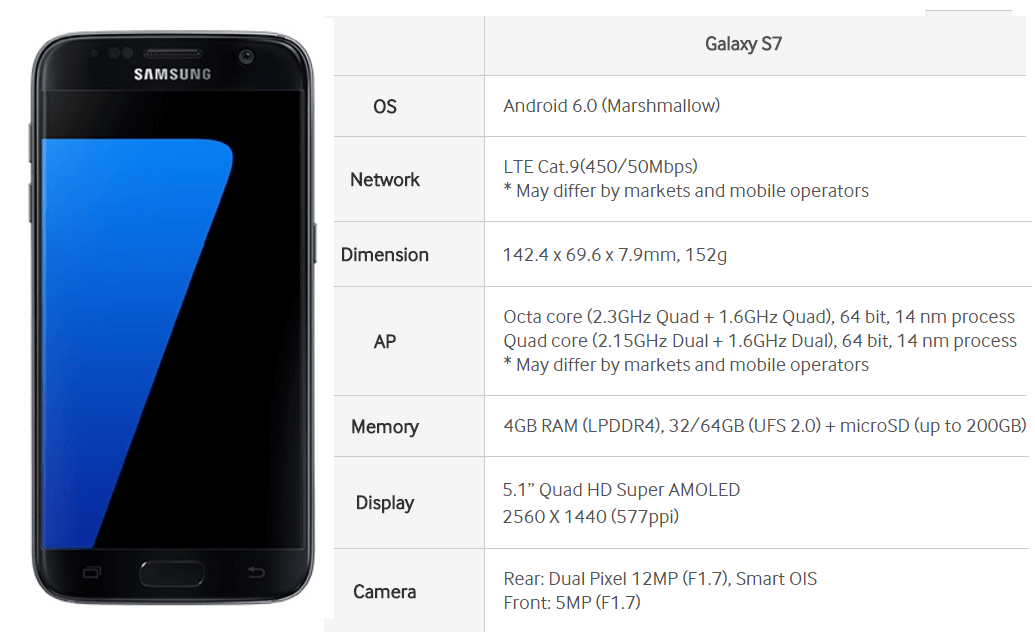
 The Galaxy S7 and Galaxy S7 edge introduce the first Dual Pixel camera on a smartphone, offer fast wired and wireless charging technology, and boast a hybrid SIM card tray supporting microSD cards of up to 200GB of additional storage. In some countries, the tray can be used with a dual SIM card.