Alcatel-Lucent Selected for Africa-Coast-to-Europe Cable
Alcatel-Lucent has signed a turnkey contract valued at over US$500 million with Africa Coast to Europe (ACE), a newly formed consortium composed of 20 operators linking Cape Town in South Africa to Penmarch in France via a submarine cable network.
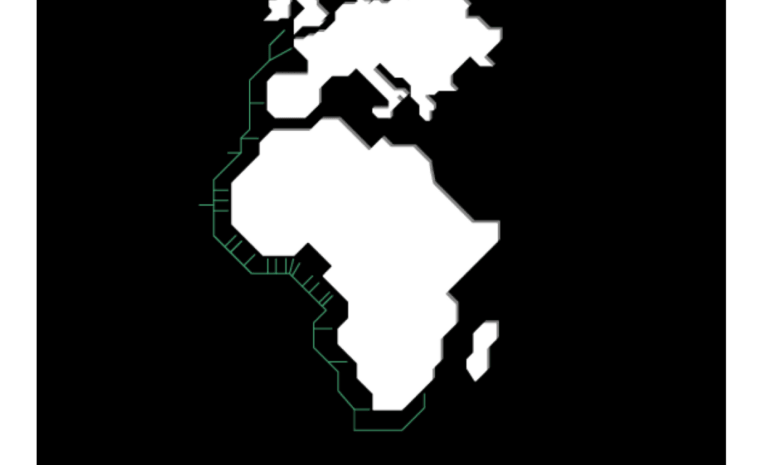
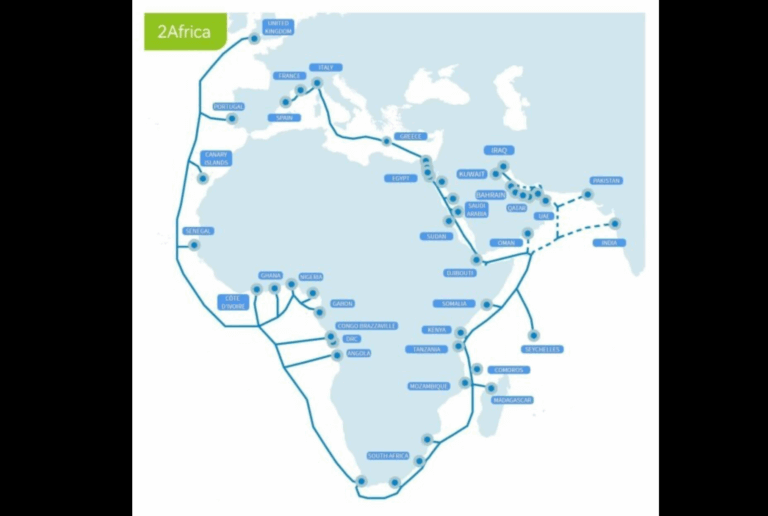
With an ultimate design capacity of 5.12 Terabit per second (Tbps), ACE has built-in 40 Gbps. Its 17,000-km coastal route will link South Africa to France – via Namibia, Angola, Democratic Republic of Congo, Gabon, Equatorial Guinea, Sao Tome and Principe, Cameroon, Nigeria, Benin, Ghana, Côte d’Ivoire, Liberia, Sierra Leone, Guinea, The Gambia, Senegal, Mauritania, Tenerife (Spain) and Portugal — and will have 21 landing points along the route. Commercial launch is expected in the first half of 2012.
Share this article
Help others discover this reporting.
Editorial responsibility
Staff
Editor & Publisher
Every article published by Converge Digest is researched, curated, fact-checked and editorially reviewed by Jim Carroll, Editor & Publisher. AI-assisted drafting may be used to accelerate production, but all content is reviewed, refined and approved prior to publication.
You just read about Alcatel-Lucent. One of the companies whose work it now carries:
Lucent Technologies built Telecom switching, optical transport, wireless and Bell Labs. What became of it?
Lucent Technologies brought Telecom switching, optical transport, wireless and Bell Labs to Telecom. That work was distinctive enough to lead to its merger with Alcatel-Lucent for US$13.4B. The standalone name now passes into the archive — but the team and technology continue inside Alcatel-Lucent today. One of 430 names here whose work outlived the company.
You just read about Cable. Here is what it replaced:
LMDS / MMDS served 1998–2000. What ultimately replaced it?
LMDS / MMDS fixed broadband over microwave: rooftop antennas linked to line-of-sight base stations in the 2 GHz (MMDS) or 28/31 GHz (LMDS) bands, but rain fade and line-of-sight limits capped reach. Its job passed to Cable — but the problem it solved, and the ideas it proved, live on in what replaced it. The standard rests here in the archive. One of 198 technologies here that opened a door and then held it for the next.