KDDI to Invest US$270M in New Data Centers in Tokyo, Osaka
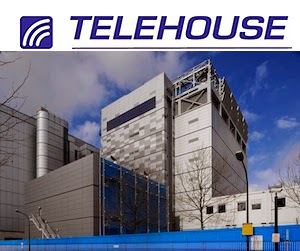
KDDI will invest US$270 million (28 billion yen) in building two new TELEHOUSE data centers in Tokyo and Osaka. The company cites a growing demand for data center space in Japan.
TELEHOUSE OSAKA 2 and TELEHOUSE TOKYO Tama 3 are scheduled to open in August 2015 and February 2016 respectively. TELEHOUSE Osaka 2, in the center of Osaka city, will offer 700 racks of tenancy space with up to 30kVA (designed) per rack. Both facilities will offer high-density colocation services enabling the hosting of heavy load IT infrastructure. TELEHOUSE Tokyo Tama 3 will be located on the existing Tama data center campus, 30km from the Tokyo city center in a highly guarded surrounding. The five storey building will offer 1,300 racks of tenancy space with up to 42kVA (designed) power supply to racks, the highest in Japan and 5 times industry average, with a designed PUE 1.31 making it one of the most energy efficient data centers in Japan.
These additional facilities will take the total amount of global TELEHOUSE data center space to 371,000 sqm provided by 46 sites across 13 countries/territories and 24 major cities.
Every article published by Converge Digest is researched, curated, fact-checked and editorially reviewed by Jim Carroll, Editor & Publisher. AI-assisted drafting may be used to accelerate production, but all content is reviewed, refined and approved prior to publication.
You just read about KDDI. One of the companies whose work it now carries:
DDI Corporation built Japanese long-distance, mobile and data communications challenger. What became of it?
DDI Corporation brought Japanese long-distance, mobile and data communications challenger to Telecom. That work was distinctive enough to lead to its merger with KDDI. The standalone name now passes into the archive — but the team and technology continue inside KDDI today. One of 430 names here whose work outlived the company.
You just read about All. A technology from the archive that helped get us here:
Google/Alphabet Project Loon served 2011–2021. What ultimately replaced it?
Google/Alphabet Project Loon solar-powered balloons drifting in the stratosphere (~20 km), steering by rising and falling into different wind layers, relaying LTE from ground stations to phones far below. Its job passed to Unit economics — but the problem it solved, and the ideas it proved, live on in what replaced it. The standard rests here in the archive. One of 198 technologies here that opened a door and then held it for the next.