Meta signed a multi-year agreement with Advanced Micro Devices to deploy up to 6GW of AMD Instinct GPUs across its AI infrastructure, deepening a strategic push to diversify compute suppliers for large-scale AI training and inference. The companies will align product roadmaps spanning silicon, systems, and software, with initial shipments scheduled for the second half of 2026.
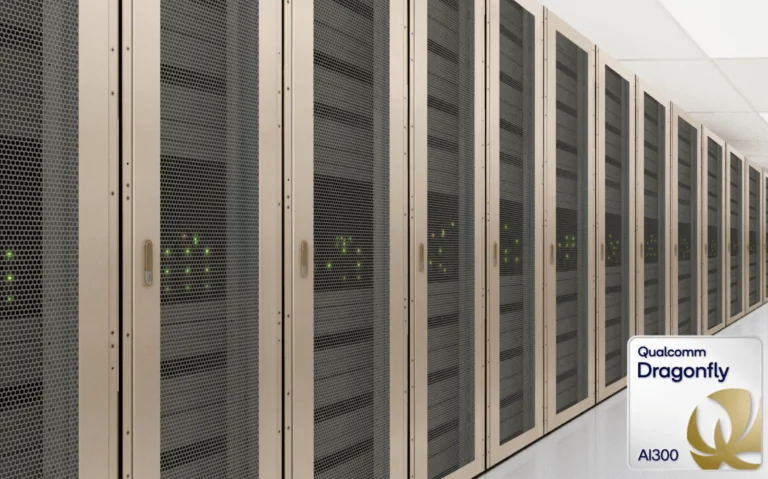
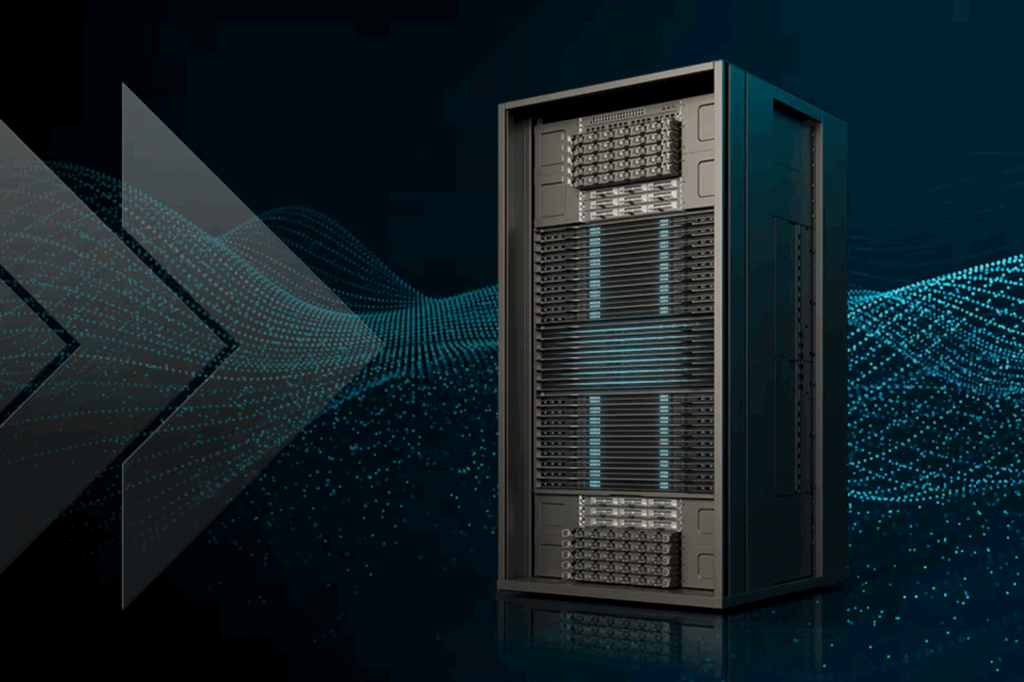
The deployment centers on AMD’s Instinct GPU portfolio and EPYC CPUs, integrated into rack-scale AI systems based on the Helios architecture that Meta introduced at last year’s Open Compute Project Global Summit. Meta said the collaboration will enable tighter vertical integration across its infrastructure stack, linking hardware design more closely with its internal AI software frameworks and workload requirements.
The agreement forms part of Meta’s broader “Meta Compute” initiative, which emphasizes a portfolio-based infrastructure strategy. In addition to third-party silicon, Meta continues to advance its in-house Meta Training and Inference Accelerator (MTIA) program. The company said diversifying suppliers will help it scale infrastructure to support next-generation AI systems while improving resilience and flexibility across its global data center footprint.
- Multi-year agreement covering up to 6GW of AMD Instinct GPUs
- Roadmap alignment across GPUs, EPYC CPUs, rack-scale systems, and software
- Initial GPU shipments targeted for 2H 2026
- Deployment based on Helios rack-scale architecture
- Part of Meta Compute initiative to diversify AI silicon suppliers
- Complementary to Meta’s in-house MTIA silicon program
“We are proud to expand our strategic partnership with Meta as they push the boundaries of AI at unprecedented scale,” said Dr. Lisa Su, Chair and CEO of AMD. “This multi-year, multi-generation collaboration across Instinct GPUs, EPYC CPUs and rack-scale AI systems aligns our roadmaps to deliver high-performance, energy-efficient infrastructure optimized for Meta’s workloads, accelerating one of the industry’s largest AI deployments and placing AMD at the center of the global AI buildout.”
🌐 Analysis: The 6GW figure signals one of the largest disclosed GPU power commitments in the industry and positions AMD as a core supplier alongside incumbents in hyperscale AI clusters. The move follows AMD’s recent ramp of its Instinct MI300 series and its public roadmap toward next-generation AI accelerators, while Meta continues to scale MTIA for inference workloads.
For Meta, the agreement reinforces a multi-vendor strategy similar to approaches adopted by other hyperscalers seeking to reduce single-supplier risk and optimize performance-per-watt across diverse AI workloads. As AI data center capacity expands globally, long-term silicon alignment agreements such as this one increasingly shape competitive dynamics among GPU vendors.
Meta’s expanded partnership with NVIDIA provides additional context. In recent quarters, Meta committed significant capital expenditures to NVIDIA’s Hopper- and Blackwell-class GPUs to support large-scale training clusters, positioning NVIDIA as a primary supplier for frontier model development. By layering the AMD agreement on top of its existing NVIDIA deployments, Meta signals that future AI capacity will rely on parallel silicon ecosystems, balancing supply assurance, software compatibility, and performance optimization across multiple accelerator architectures.
🌐 We’re tracking the latest developments in networking silicon. Follow our ongoing coverage at: https://convergedigest.com/category/semiconductors/