Finnish mobile operator Elisa as the nationwide supplier of 5G RAN.
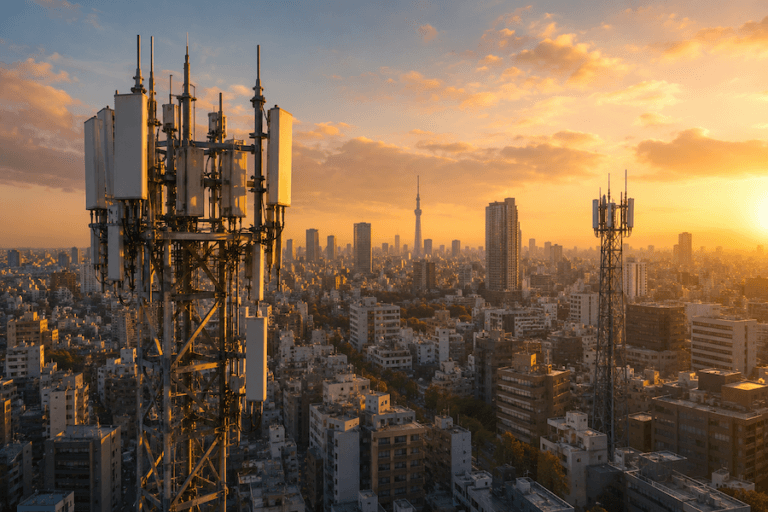
Nokia will provide its AirScale 5G RAN portfolio. The deal continues Nokia’s long-standing partnership with Elisa into the 5G era and will focus on Elisa’s efforts to digitize Finland and make it a leading global 5G market. Deployment is expected to begin immediately.
To support digitalization in Finland, Nokia will supply its flexible AirScale 5G Radio Access portfolio for enhanced mobile connectivity, as well as additional use cases such as Massive IoT and Ultra-Reliable Low Latency services (URLLC). This strengthens the partnership Nokia and Elisa have in other areas such as Core and IP Networks, as well as in Telco Cloud and IT domain.
The project will also focus on mobile network technology migration so that new radios will serve both 5G and 4G subscribers across the country. Elisa plans to decommission its 3G network by 2023 to support its move to 5G services.]
Share this article
Help others discover this reporting.
Editorial responsibility
Staff
Editor & Publisher
Every article published by Converge Digest is researched, curated, fact-checked and editorially reviewed by Jim Carroll, Editor & Publisher. AI-assisted drafting may be used to accelerate production, but all content is reviewed, refined and approved prior to publication.
You just read about Nokia. One of the companies whose work it now carries:
Infinera built Coherent optical transport, photonic integration and DCI. What became of it?
Infinera brought Coherent optical transport, photonic integration and DCI to Optical. That work was distinctive enough to lead to its acquisition by Nokia for US$2.3B. The standalone name now passes into the archive — but the team and technology continue inside Nokia today. One of 430 names here whose work outlived the company.
You just read about All. A technology from the archive that helped get us here:
Google/Alphabet Project Loon served 2011–2021. What ultimately replaced it?
Google/Alphabet Project Loon solar-powered balloons drifting in the stratosphere (~20 km), steering by rising and falling into different wind layers, relaying LTE from ground stations to phones far below. Its job passed to Unit economics — but the problem it solved, and the ideas it proved, live on in what replaced it. The standard rests here in the archive. One of 198 technologies here that opened a door and then held it for the next.