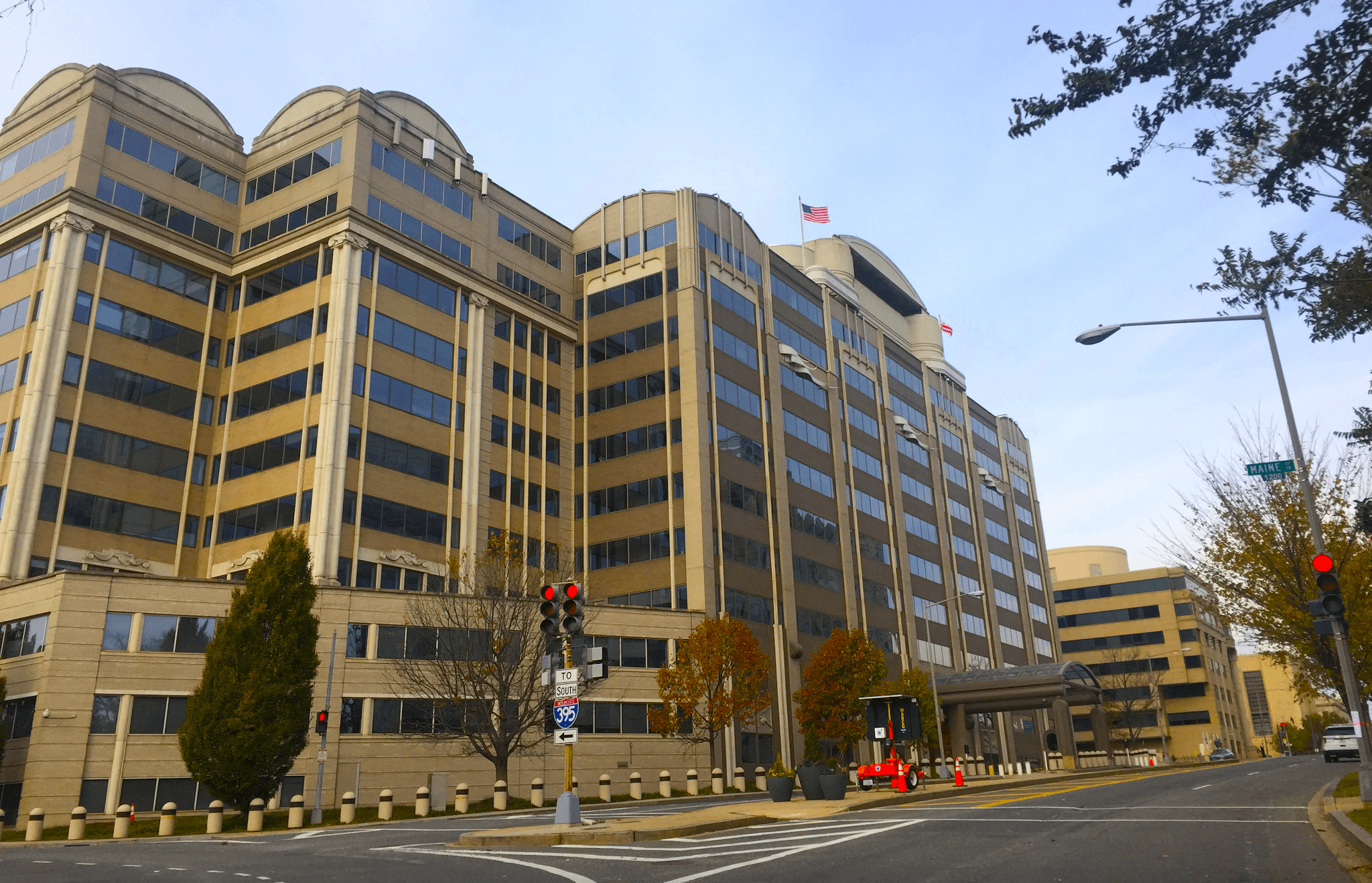
FCC Chairman Ajit Pai circulated a draft order with his fellow commissioners urging approval of the T-Mobile + Sprint deal subject to conditions imposed by the Department of Justice.
“After one of the most exhaustive merger reviews in Commission history, the evidence conclusively demonstrates that this transaction will bring fast 5G wireless service to many more Americans and help close the digital divide in rural areas. Moreover, with the conditions included in this draft Order, the merger will promote robust competition in mobile broadband, put critical mid-band spectrum to use, and bring new competition to the fixed broadband market.” said Chairman Pai. “I thank our transaction team for the thorough and careful analysis reflected in this draft Order and hope that my colleagues will vote to approve it.”
Share this article
Help others discover this reporting.
Editorial responsibility
Staff
Editor & Publisher
Every article published by Converge Digest is researched, curated, fact-checked and editorially reviewed by Jim Carroll, Editor & Publisher. AI-assisted drafting may be used to accelerate production, but all content is reviewed, refined and approved prior to publication.
You just read about Sprint. One of the companies whose work it now carries:
Nextel Communications built Nationwide push-to-talk mobile operator. What became of it?
Nextel Communications brought Nationwide push-to-talk mobile operator to Telecom. That work was distinctive enough to lead to its merger with Sprint for US$35B. The standalone name now passes into the archive — but the team and technology continue inside Sprint today. One of 430 names here whose work outlived the company.
You just read about All. A technology from the archive that helped get us here:
Google/Alphabet Project Loon served 2011–2021. What ultimately replaced it?
Google/Alphabet Project Loon solar-powered balloons drifting in the stratosphere (~20 km), steering by rising and falling into different wind layers, relaying LTE from ground stations to phones far below. Its job passed to Unit economics — but the problem it solved, and the ideas it proved, live on in what replaced it. The standard rests here in the archive. One of 198 technologies here that opened a door and then held it for the next.

 “After one of the most exhaustive merger reviews in Commission history, the evidence conclusively demonstrates that this transaction will bring fast 5G wireless service to many more Americans and help close the digital divide in rural areas. Moreover, with the conditions included in this draft Order, the merger will promote robust competition in mobile broadband, put critical mid-band spectrum to use, and bring new competition to the fixed broadband market.” said Chairman Pai. “I thank our transaction team for the thorough and careful analysis reflected in this draft Order and hope that my colleagues will vote to approve it.”