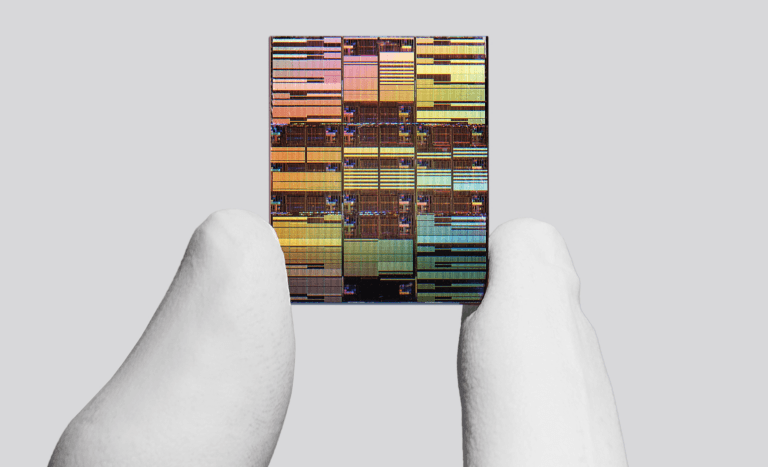
IBM disclosed key architectural advancements in its forthcoming IBM Telum II Processor and IBM Spyre Accelerator at the Hot Chips 2024 conference. These innovations are set to enhance the processing capabilities of the next-generation IBM Z mainframe systems, particularly in supporting AI models, including large language models (LLMs) and generative AI. The new processor and accelerator aim to address the growing need for scalable, energy-efficient solutions as enterprises increasingly integrate AI into production environments.
The Telum II Processor features significant upgrades, including increased cache, memory capacity, and an integrated AI accelerator core. Complementing this, the IBM Spyre Accelerator, designed to work alongside the Telum II, offers scalable AI compute power, optimizing performance for complex AI models. Both chips are built on Samsung Foundry’s 5nm process, ensuring high performance and power efficiency. IBM’s continued focus on AI and advanced processing aims to provide enterprises with robust tools to manage and leverage AI-driven workloads at scale.
• Telum II Processor:
• Cores and Frequency: Eight high-performance cores running at 5.5GHz.
• Cache: 36MB L2 cache per core with a total of 360MB, a 40% increase in on-chip cache capacity.
• Virtual L4 Cache: 2.88GB per processor drawer, a 40% increase over the previous generation.
• Integrated AI Accelerator Core: Allows for low-latency, high-throughput in-transaction AI inferencing, quadrupling compute capacity per chip.
• Data Processing Unit (DPU): Accelerates IO protocols for networking and storage, with a 50% increase in IO density.
• IBM Spyre Accelerator:
• Memory: Supports up to 1TB of memory, scalable across eight cards in an IO drawer.
• Compute Cores: Each chip features 32 compute cores supporting int4, int8, fp8, and fp16 datatypes.
• Power Efficiency: Designed to consume no more than 75W per card.
• AI Model Support: Optimized for low-latency, high-throughput AI applications, designed for complex AI models and generative AI use cases.
• Manufacturing and Availability:
• Fabrication: Both chips are manufactured by Samsung Foundry on a 5nm process.
• Launch Timeline: Expected availability in 2025 with the next-generation IBM Z and IBM LinuxONE platforms.
“Our robust, multi-generation roadmap positions us to remain ahead of the curve on technology trends, including escalating demands of AI,” said Tina Tarquinio, VP, Product Management, IBM Z and LinuxONE.