MasOrange and Starlink have signed an agreement to pilot satellite-based “Direct to Cell” connectivity in Spain, marking the country’s first technical trial of the service. The pilot will take place in the province of Valladolid and uses spectrum assigned to MasOrange, with authorization from Spain’s Secretary of State for Telecommunications and Digital Infrastructure. The initiative positions Spain among a growing set of markets testing direct satellite-to-smartphone connectivity as a complement to terrestrial mobile networks.
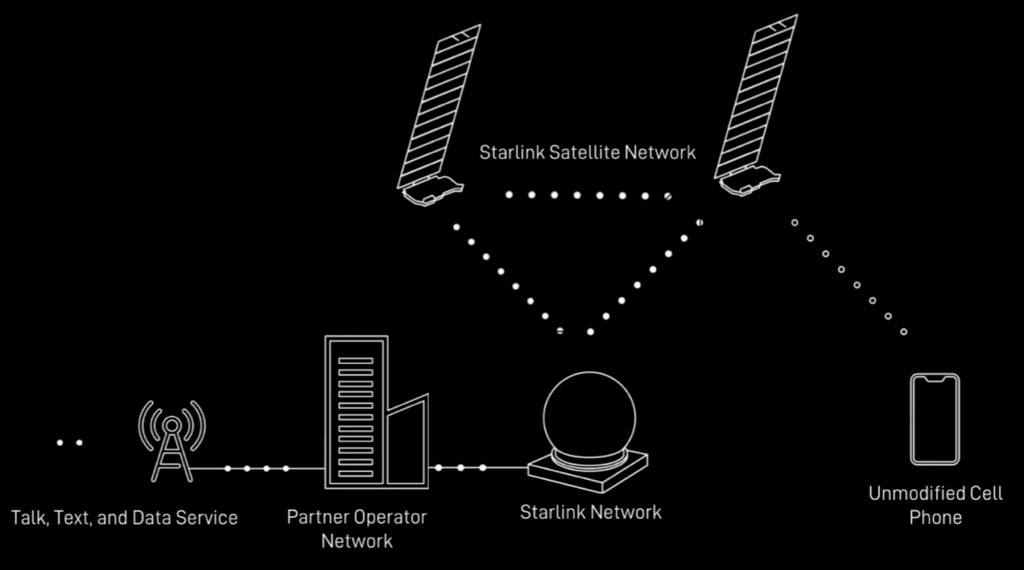
Direct to Cell technology enables standard mobile devices to connect directly to low Earth orbit satellites, operating as space-based cell towers. In this pilot, MasOrange’s terrestrial mobile network will integrate with Starlink’s satellite constellation, allowing devices to switch automatically to satellite coverage when terrestrial signal is unavailable. The service supports messaging and data services, enabling applications such as WhatsApp and Google Maps without requiring specialized devices or user intervention.
The combined terrestrial–satellite architecture targets coverage gaps in remote, mountainous, and coastal areas where traditional mobile infrastructure remains limited or impractical. Starlink’s network relies on inter-satellite laser links to maintain continuous connectivity, while MasOrange provides the licensed spectrum and mobile core integration needed to deliver a seamless user experience across networks.
- Spain’s first approved Direct-to-Cell pilot, located in Valladolid
- Uses MasOrange’s licensed mobile spectrum with regulatory authorization
- Seamless handoff between terrestrial mobile network and Starlink satellites
- Supports SMS, MMS, messaging apps, and basic data services
- Designed to extend coverage to remote and hard-to-reach areas
“Estamos muy contentos de anunciar este acuerdo con Starlink que refuerza nuestro compromiso con la innovación y con ofrecer siempre los mejores servicios a nuestros clientes mediante el uso de todas las tecnologías disponibles”, said Meinrad Spenger, CEO of MasOrange.
🌐 Analysis
Direct-to-Cell satellite connectivity has gained momentum globally as mobile operators look to extend coverage without deploying additional terrestrial infrastructure. Operators such as T-Mobile in the U.S., Rogers in Canada, Optus in Australia, and KDDI in Japan have announced or tested similar services with Starlink, focusing initially on messaging and basic data. These deployments rely on partnerships where the mobile operator supplies licensed spectrum and core network integration, while the satellite provider delivers coverage and backhaul through low Earth orbit constellations. The MasOrange pilot follows this model and reflects increasing regulatory openness in Europe toward hybrid terrestrial–satellite mobile architectures.
For MasOrange, the agreement builds on its strategy following the merger of Orange Spain and MásMóvil to differentiate through network reach and service continuity. MasOrange now operates the largest customer base in Spain and controls extensive spectrum holdings across multiple bands, providing a strong foundation for hybrid connectivity services. As Direct-to-Cell trials progress, the key variables to watch include regulatory treatment of satellite use of terrestrial spectrum, achievable data rates at scale, and how quickly operators move from pilots to commercial service as part of broader 5G Advanced and future 6G roadmaps.