Nokia signed its 50th commercial 5G contract. Nokia is currently powering 16 live networks globally.
New Zealand operator Spark has selected Nokia as one of the radio access network (RAN) equipment suppliers for its 5G upgrade, Nokia will deploy its AirScale RAN solution at more than 200 sites, allowing Spark to target both consumers and enterprises with new services and offers. Nokia will also deploy other products and services from across its end-to-end portfolio including digital design and deployment services. The agreement follows the launch earlier this year of New Zealand’s first 5G trial customer service. The trial, which took place in Alexandra, South Island, used the latest Nokia radio equipment to offer select business and consumer customers the opportunity to experience high-speed wireless broadband delivered by 5G. Nokia is currently working with Spark to deploy 5G capability to an additional 5 sites before the Christmas period.
Share this article
Help others discover this reporting.
Editorial responsibility
Staff
Editor & Publisher
Every article published by Converge Digest is researched, curated, fact-checked and editorially reviewed by Jim Carroll, Editor & Publisher. AI-assisted drafting may be used to accelerate production, but all content is reviewed, refined and approved prior to publication.
You just read about Spark New Zealand. One of the companies whose work it now carries:
Telecom New Zealand built New Zealand's incumbent fixed, mobile and broadband operator. What became of it?
Telecom New Zealand built New Zealand's incumbent fixed, mobile and broadband operator under its own name. The brand was retired when it became Spark New Zealand — but the operation continues as Spark New Zealand today. The original name passes into the archive. One of 430 names here whose work outlived the company.
You just read about All. A technology from the archive that helped get us here:
Google/Alphabet Project Loon served 2011–2021. What ultimately replaced it?
Google/Alphabet Project Loon solar-powered balloons drifting in the stratosphere (~20 km), steering by rising and falling into different wind layers, relaying LTE from ground stations to phones far below. Its job passed to Unit economics — but the problem it solved, and the ideas it proved, live on in what replaced it. The standard rests here in the archive. One of 198 technologies here that opened a door and then held it for the next.

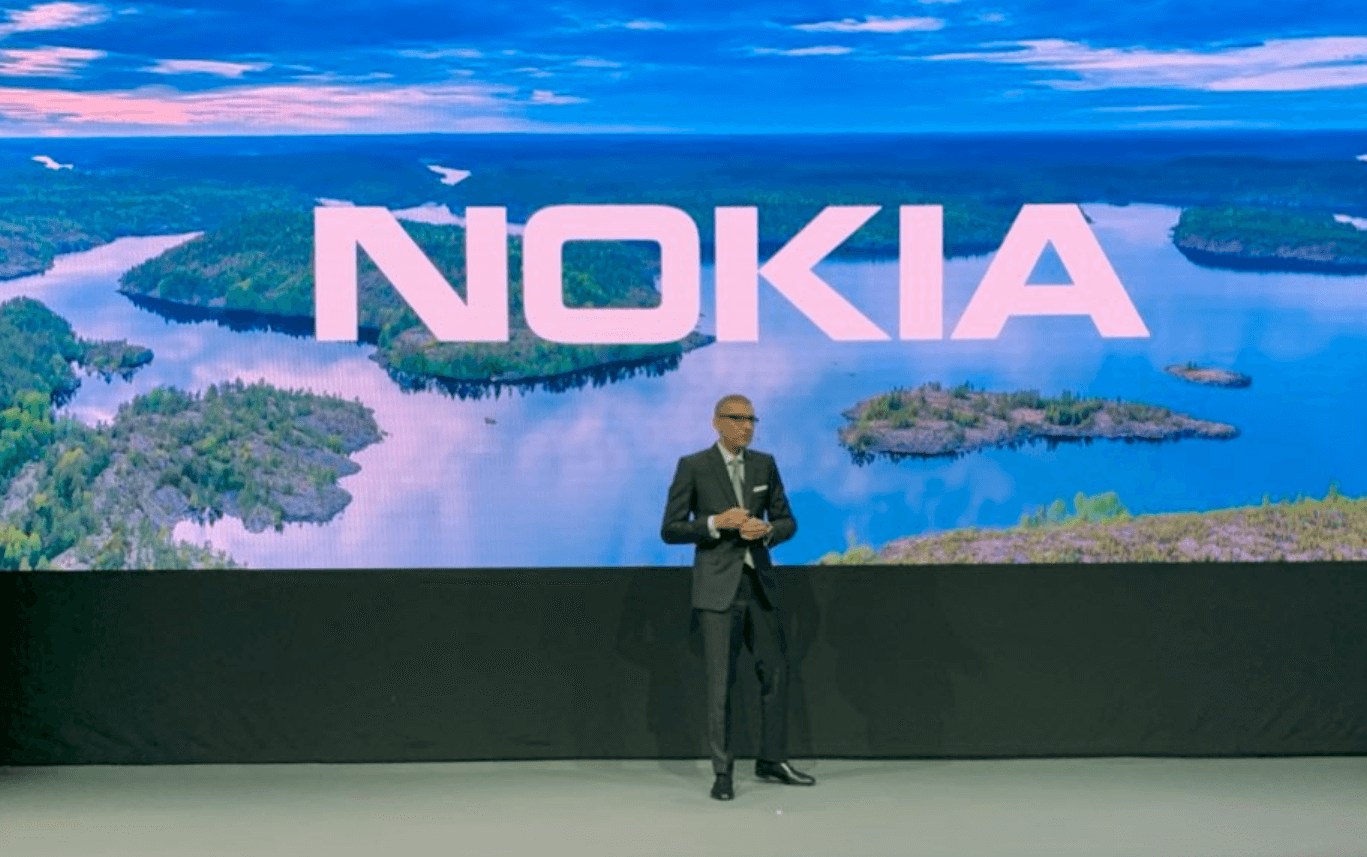
 New Zealand operator Spark has selected Nokia as one of the radio access network (RAN) equipment suppliers for its 5G upgrade, Nokia will deploy its AirScale RAN solution at more than 200 sites, allowing Spark to target both consumers and enterprises with new services and offers. Nokia will also deploy other products and services from across its end-to-end portfolio including digital design and deployment services. The agreement follows the launch earlier this year of New Zealand’s first 5G trial customer service. The trial, which took place in Alexandra, South Island, used the latest Nokia radio equipment to offer select business and consumer customers the opportunity to experience high-speed wireless broadband delivered by 5G. Nokia is currently working with Spark to deploy 5G capability to an additional 5 sites before the Christmas period.