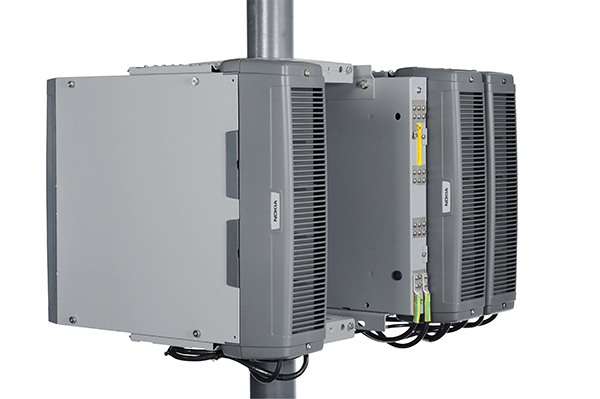
Nokia conducted a trial using NB-IoT (Narrowband Internet of Things) technology on Finnish operator Sonera’s commercial 4G network. The trial used Nokia base stations operating in the 800 Mhz band to maximize coverage.
The NB-IoT technology was used to communicate information on temperature, humidity and air pressure over Sonera’s 4G network in Helsinki. The companies also connected a roaming device over the commercial network using NB-IoT technology. This world’s first demonstration shows how NB-IoT technology will allow companies to track their mobile assets – for example large maintenance firms such as electricians or plumbers with fleets of vehicles or healthcare providers tracking the status of patients outside of a hospital.
NB-IoT is a 3GPP Rel. 13 radio access technology designed especially for enabling cellular connectivity to Internet of Things devices. Nokia said NB-IoT will co-exist with operators’ existing networks to benefit from mobile security and privacy features.
Every article published by Converge Digest is researched, curated, fact-checked and editorially reviewed by Jim Carroll, Editor & Publisher. AI-assisted drafting may be used to accelerate production, but all content is reviewed, refined and approved prior to publication.
You just read about Nokia. One of the companies whose work it now carries:
Infinera built Coherent optical transport, photonic integration and DCI. What became of it?
Infinera brought Coherent optical transport, photonic integration and DCI to Optical. That work was distinctive enough to lead to its acquisition by Nokia for US$2.3B. The standalone name now passes into the archive — but the team and technology continue inside Nokia today. One of 430 names here whose work outlived the company.
You just read about All. A technology from the archive that helped get us here:
Google/Alphabet Project Loon served 2011–2021. What ultimately replaced it?
Google/Alphabet Project Loon solar-powered balloons drifting in the stratosphere (~20 km), steering by rising and falling into different wind layers, relaying LTE from ground stations to phones far below. Its job passed to Unit economics — but the problem it solved, and the ideas it proved, live on in what replaced it. The standard rests here in the archive. One of 198 technologies here that opened a door and then held it for the next.