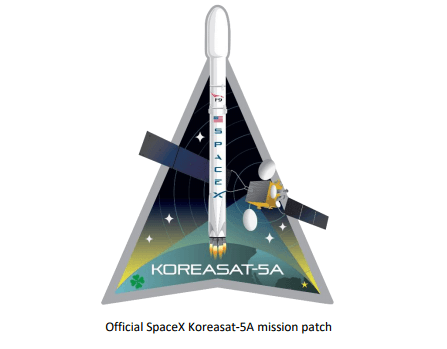
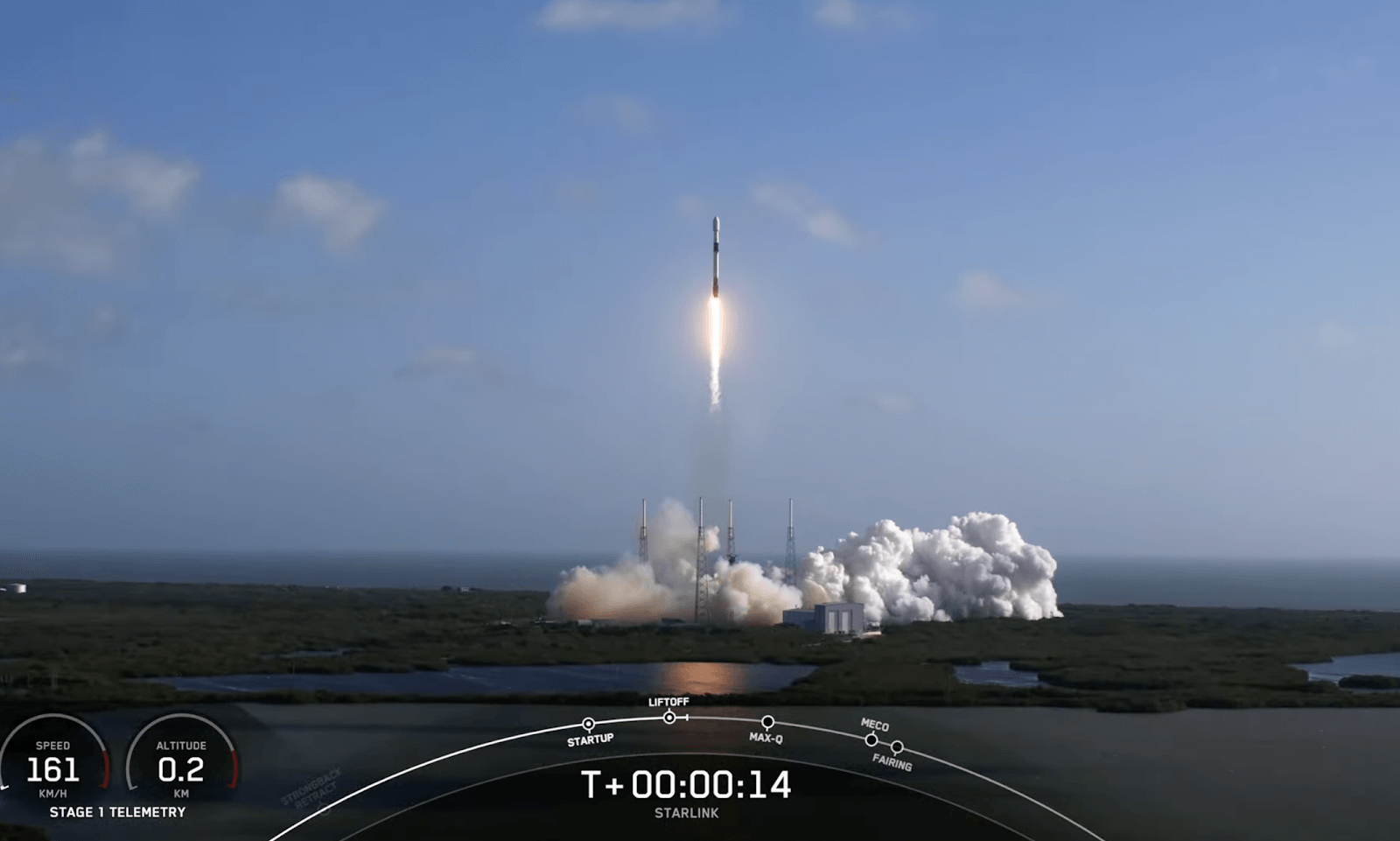
SpaceX successfully delivered the Koreasat-5A satellite into orbit aboard a Falcon 9 rocket launched from Kennedy Space Center, Florida. Falcon 9’s first stage successfully landed on the company’s droneship in the Atlantic Ocean.
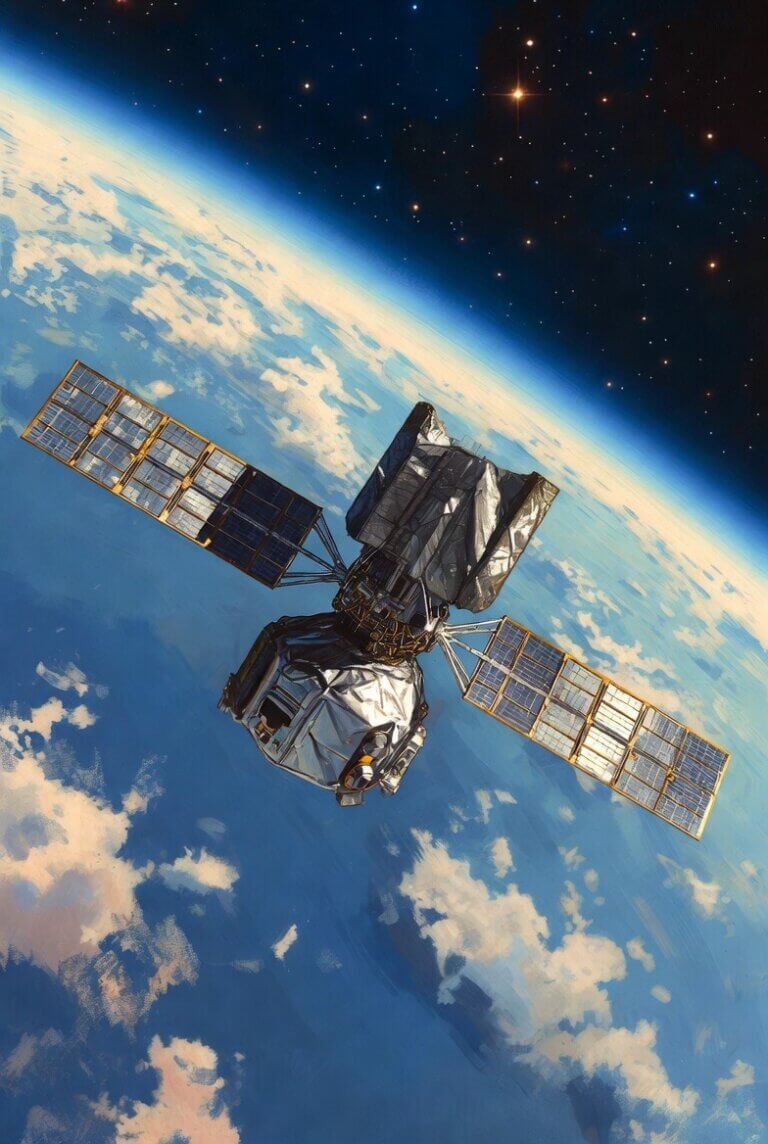
The Koreasat-5A satellite is owned by KT SAT, South Korea’s sole satellite service provider and it will provide Direct-to-Home (DTH) broadcast, broadband, and backhaul services with its Ku-Band capacity. The spacecraft was manufactured by Thales Alenia Space and is equipped with 12 Ku-band transponders of 36MHz, and 24 Ku-band transponders of 54MHz.
Share this article
Help others discover this reporting.
Editorial responsibility
Staff
Editor & Publisher
Every article published by Converge Digest is researched, curated, fact-checked and editorially reviewed by Jim Carroll, Editor & Publisher. AI-assisted drafting may be used to accelerate production, but all content is reviewed, refined and approved prior to publication.
You just read about All. A technology from the archive that helped get us here:
Google/Alphabet Project Loon served 2011–2021. What ultimately replaced it?
Google/Alphabet Project Loon solar-powered balloons drifting in the stratosphere (~20 km), steering by rising and falling into different wind layers, relaying LTE from ground stations to phones far below. Its job passed to Unit economics — but the problem it solved, and the ideas it proved, live on in what replaced it. The standard rests here in the archive. One of 198 technologies here that opened a door and then held it for the next.