SpaceX confirmed the acquisition of xAI, outlining a plan to integrate launch systems, satellite networks, and AI compute into a single space-centric platform. In a detailed statement, Elon Musk said the combined organization aims to move large-scale AI compute beyond terrestrial data centers, citing power, cooling, and community constraints tied to rapid AI expansion on Earth.
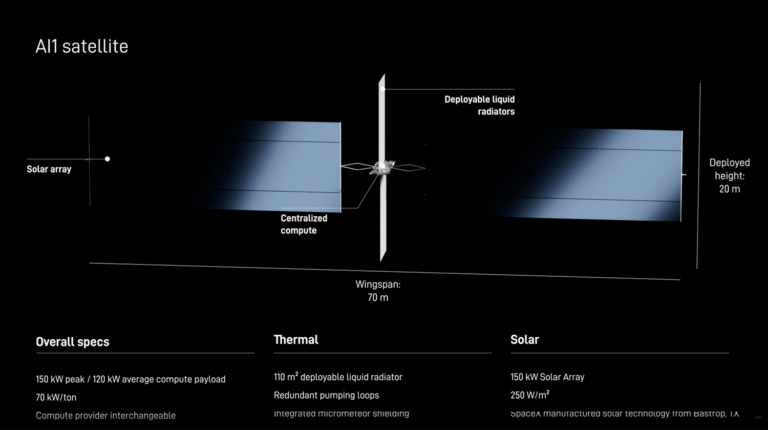
The strategy centers on deploying orbital “data center” satellites powered by near-continuous solar energy. Musk argued that terrestrial grids cannot meet projected AI electricity demand without environmental and social tradeoffs, positioning space-based compute as a long-term alternative. He outlined a model in which satellites deliver sustained compute capacity with minimal operating overhead, building on SpaceX’s existing satellite manufacturing, launch cadence, and end-of-life disposal practices developed for Starlink.
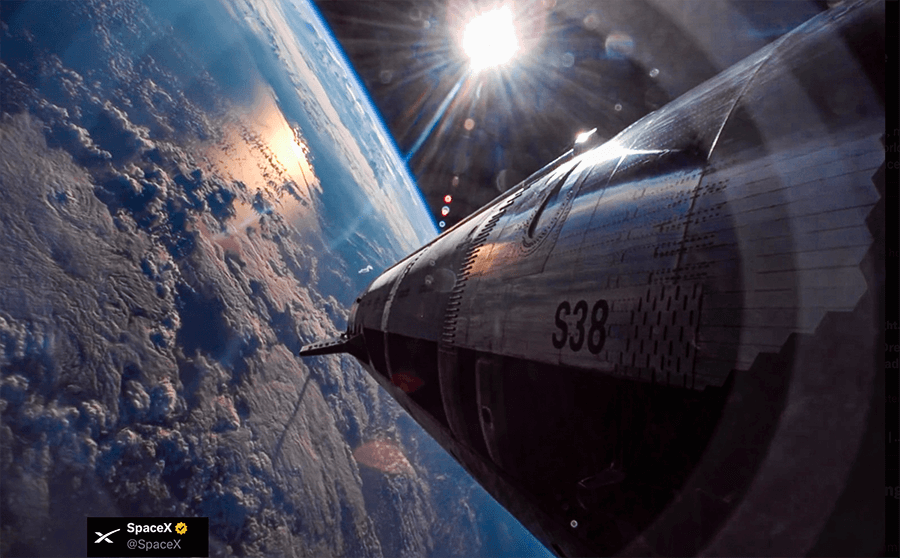
According to Musk, Starship represents the enabling platform for this approach. He described a future launch profile with hourly missions carrying up to 200 tons each, ultimately delivering millions of tons of payload annually. The company projects that launching one million tons of satellites per year, each supporting 100 kW of compute per ton, could add 100 GW of AI compute capacity annually, with a longer-term pathway toward terawatt-scale deployment.
• SpaceX acquires xAI to integrate AI development with launch, satellite manufacturing, and space-based connectivity
• Financial terns were not disclosed
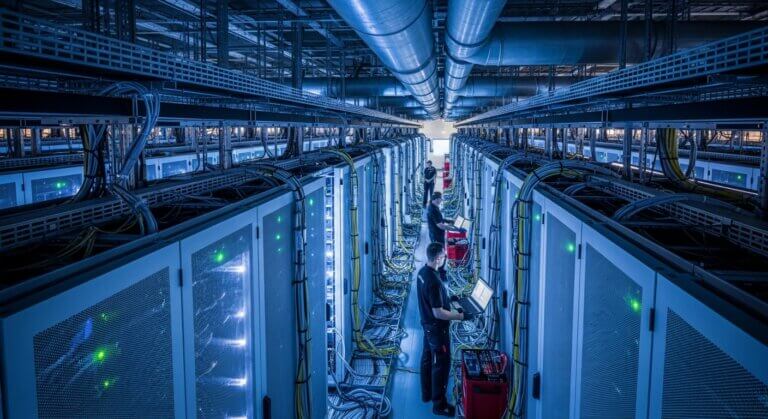
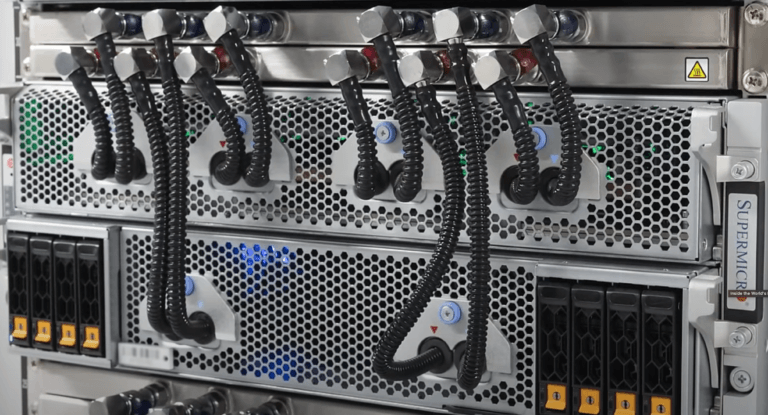
• Orbital AI satellites positioned as an alternative to power- and cooling-intensive terrestrial data centers
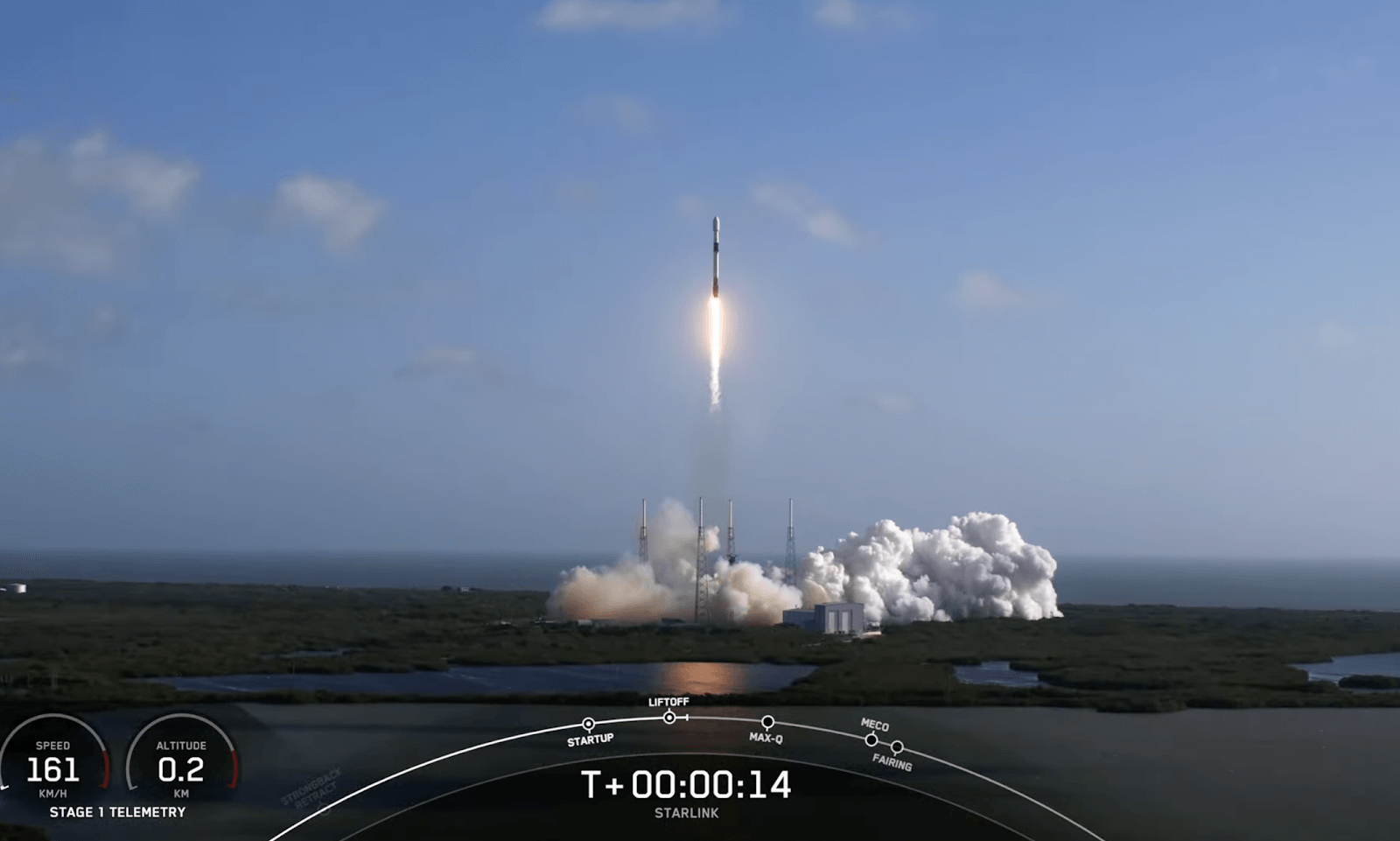
• Starship cited as the key enabler, with higher payload mass and launch frequency than Falcon
• Starlink V3 and direct-to-mobile satellites positioned as near-term steps toward higher-capacity space infrastructure
• Longer-term roadmap extends to lunar manufacturing, in-space propulsion transfer, and deep-space deployment
“Space-based AI is obviously the only way to scale in the long term,” Musk said. “By directly harnessing near-constant solar power, these satellites will transform our ability to scale compute and support humanity’s multi-planetary future.”