Lumen deploys Corning’s SMF-28 ULL fiber and SMF-28 Ultra fiber
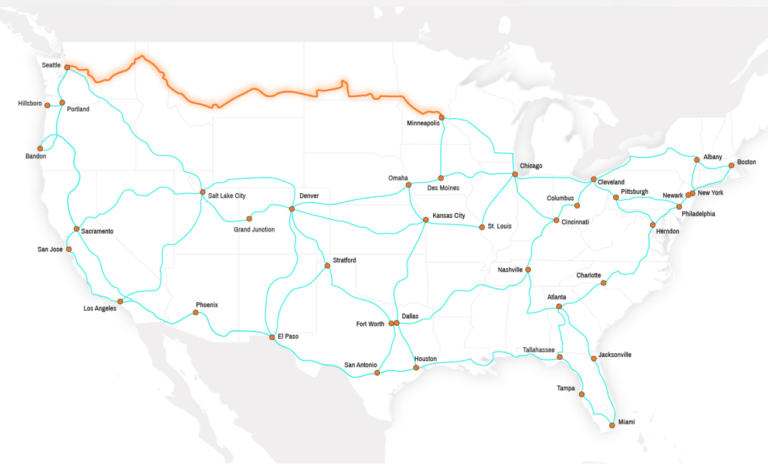
Lumen Technologies recently upgraded over 24,000 route miles across its U.S. intercity network with new ultra-low-loss fiber capable of supporting wavelength services up to 400G and faster.
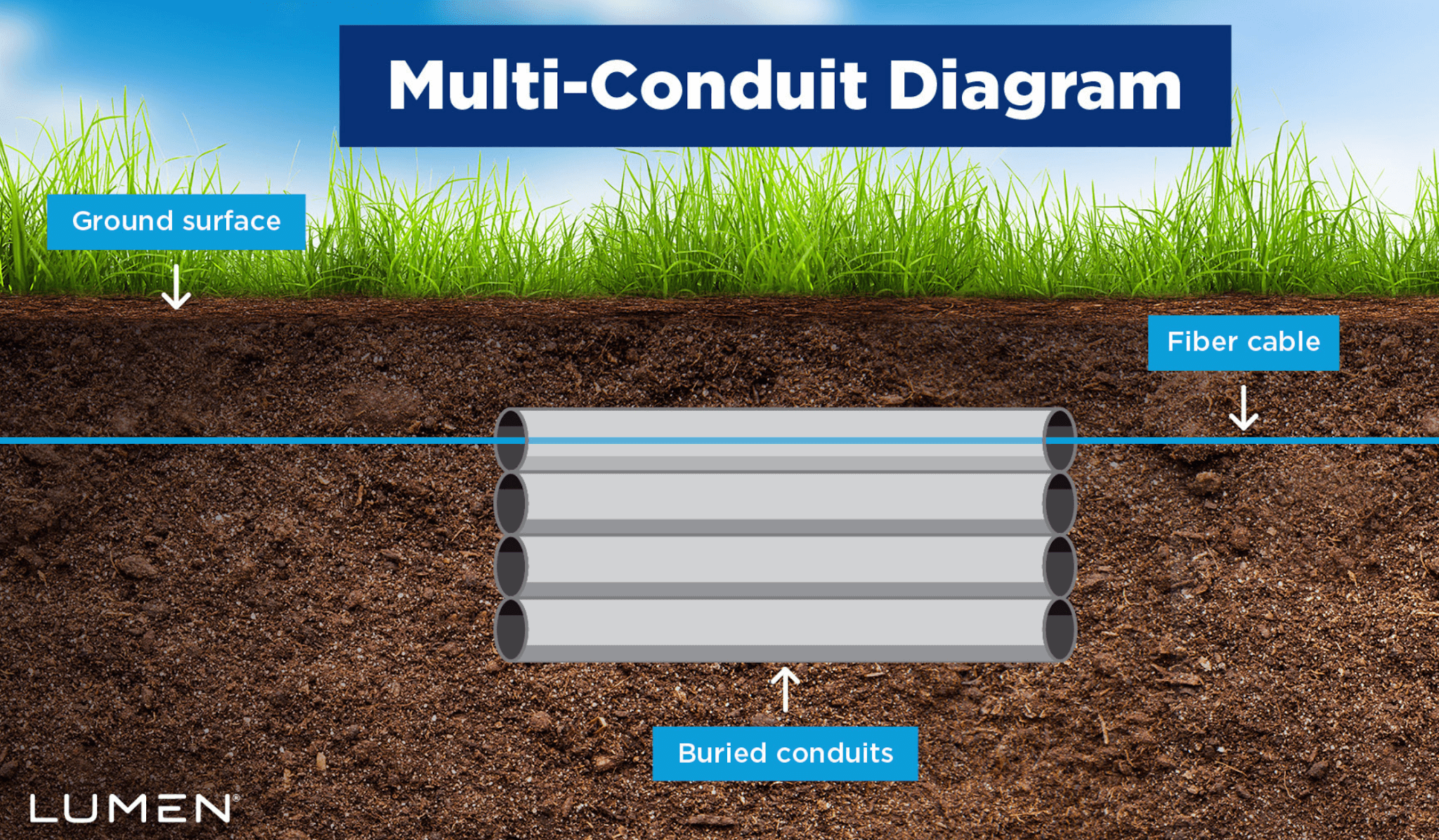
Lumen is continuing to deploy Corning’s SMF-28 ULL fiber and SMF-28 Ultra fiber in its multi-conduit infrastructure.
Lumen also confirmed plans for another 6 million fiber miles, expected to be installed by 2026.
“We are creating a next-gen network, and fiber type matters,” said Andrew Dugan, Lumen chief technology officer. “As demand for optical fiber increases and technology evolves, Lumen’s multi-conduit infrastructure means we can install the latest fiber type quickly and economically. It’s difficult to upgrade legacy intercity networks without multiple conduits. These networks end up being stuck with older fiber technology. Lumen is fixing that issue with our upgraded technology. We can extend signal reach to help reduce equipment costs and increase bandwidth capacity. Using ultra-low-loss fiber on the Lumen network is a major component of what differentiates us from other network providers.”
Every article published by Converge Digest is researched, curated, fact-checked and editorially reviewed by Jim Carroll, Editor & Publisher. AI-assisted drafting may be used to accelerate production, but all content is reviewed, refined and approved prior to publication.
You just read about Corning. One of the companies whose work it now carries:
SpiderCloud Wireless built Enterprise radio access networks and small cells. What became of it?
SpiderCloud Wireless brought Enterprise radio access networks and small cells to Wireless. That work was distinctive enough to lead to its acquisition by Corning. The standalone name now passes into the archive — but the team and technology continue inside Corning today. One of 430 names here whose work outlived the company.
You just read about All. A technology from the archive that helped get us here:
Google/Alphabet Project Loon served 2011–2021. What ultimately replaced it?
Google/Alphabet Project Loon solar-powered balloons drifting in the stratosphere (~20 km), steering by rising and falling into different wind layers, relaying LTE from ground stations to phones far below. Its job passed to Unit economics — but the problem it solved, and the ideas it proved, live on in what replaced it. The standard rests here in the archive. One of 198 technologies here that opened a door and then held it for the next.