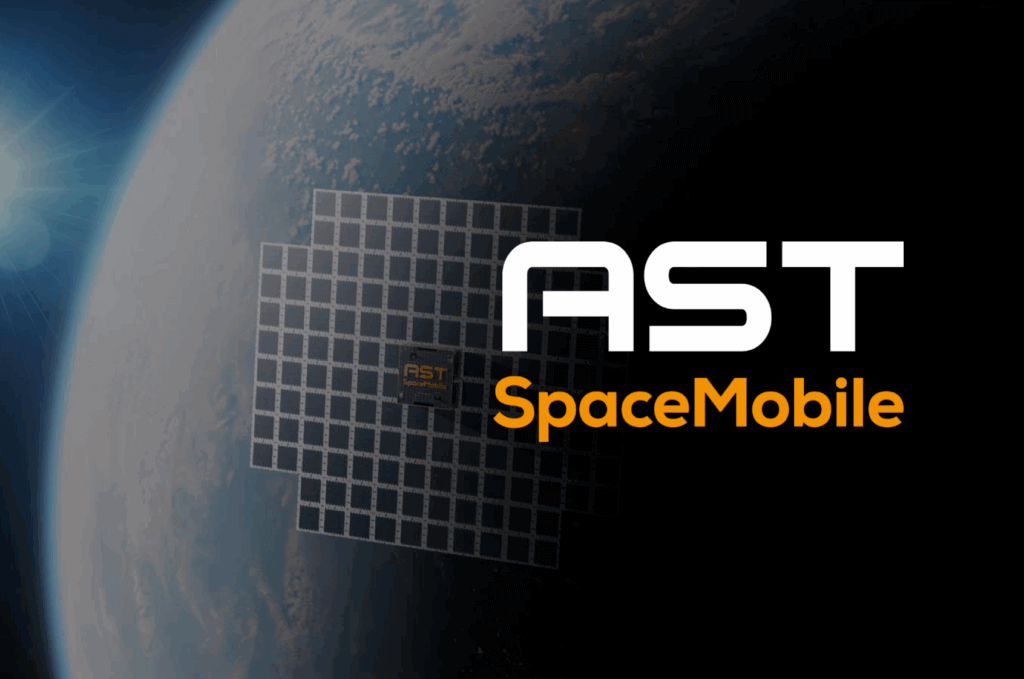
AST SpaceMobile endorsed the proposed direct-to-device (D2D) joint venture announced by AT&T, T-Mobile, and Verizon, positioning itself as a potential infrastructure partner for the emerging U.S. satellite-to-smartphone ecosystem. The proposed JV aims to pool terrestrial spectrum resources and establish a unified framework for satellite-based mobile coverage to help eliminate wireless dead zones across the United States.
AST SpaceMobile said the collaboration among the three largest U.S. mobile network operators could accelerate technical integration between terrestrial and satellite networks while improving coverage and customer experience. The company operates a low Earth orbit (LEO) satellite architecture designed to connect directly with standard smartphones without requiring specialized hardware. AST SpaceMobile previously demonstrated download speeds approaching 100 Mbps from space to conventional mobile devices and said its next-generation satellites are expected to nearly double that throughput.
“AST SpaceMobile is happy to see how the industry is preparing to enable space-based cellular broadband connectivity to every American,” said Abel Avellan, founder Chairman and CEO of AST. “We plan to be a key enabler of this transformation as we continue to grow our global network in low Earth orbit and expand available spectrum to our network.”
🌐 Analysis: The proposed direct-to-device joint venture creates an interesting competitive and strategic dynamic because AST SpaceMobile already maintains deep relationships with both AT&T and Verizon, while T-Mobile has aligned its satellite strategy primarily around SpaceX and the Starlink Direct to Cell initiative. That effectively creates two competing architectural camps in the emerging U.S. satellite cellular market: AST’s broadband-oriented approach versus Starlink’s rapidly deployed messaging-and-coverage-first model.
🌐 Analysis: AT&T has been one of AST SpaceMobile’s earliest and most visible strategic backers, supporting testing, spectrum integration, and commercial deployment planning. Verizon later expanded AST’s momentum by committing $100 million in 2024, including commercial prepayments and spectrum support tied to direct-to-cellular services. In contrast, T-Mobile’s partnership with Starlink has focused heavily on leveraging PCS spectrum for satellite messaging and supplemental coverage. The proposed JV suggests operators may now seek broader interoperability and shared standards even while maintaining different preferred satellite partners.
🌐 Analysis: Technically, AST SpaceMobile and Starlink Direct to Cell reflect very different network philosophies. AST uses very large phased-array satellites designed to deliver higher-capacity broadband links directly to standard smartphones, including support for voice, video, and data-intensive applications. Starlink’s approach emphasizes rapid constellation scale, narrower cellular payload integration, and nationwide reach using existing Starlink infrastructure. The market may ultimately segment into different service tiers, with Starlink optimized initially for ubiquitous baseline coverage and AST pursuing higher-throughput mobile broadband experiences.
🌐 Analysis: The JV announcement also strengthens AST’s strategic position because it validates the broader carrier thesis that satellite connectivity should become a native extension of terrestrial mobile infrastructure rather than a standalone emergency overlay. If AT&T and Verizon continue standardizing around AST-compatible architectures while T-Mobile advances Starlink integration, the industry could evolve toward a multi-vendor D2D ecosystem similar to the historical evolution of terrestrial RAN infrastructure. That dynamic may ultimately accelerate spectrum coordination, roaming agreements, and device-level standardization across the satellite cellular market.