• Home
  • About
  • Events Calendar
  • Blueprint Guidelines
  • Privacy Policy
  • Manage Email Delivery
  • NextGenInfra.io
  • buzzwords
  • Archives
  • Milestones
  • On This Day
  • Video Search
Converge Digest
Friday, July 17, 2026
  • Home
  • About
  • Events Calendar
  • Blueprint Guidelines
  • Privacy Policy
  • Manage Email Delivery
  • NextGenInfra.io
  • buzzwords
  • Archives
  • Milestones
  • On This Day
  • Video Search
No Result
View All Result
Converge Digest
No Result
View All Result

Home » FCC Declares Carrier Call Blocking Unlawful Self-Help Remedy in Access Charge Dispute

FCC Declares Carrier Call Blocking Unlawful Self-Help Remedy in Access Charge Dispute

June 28, 2007
in Uncategorized
A A

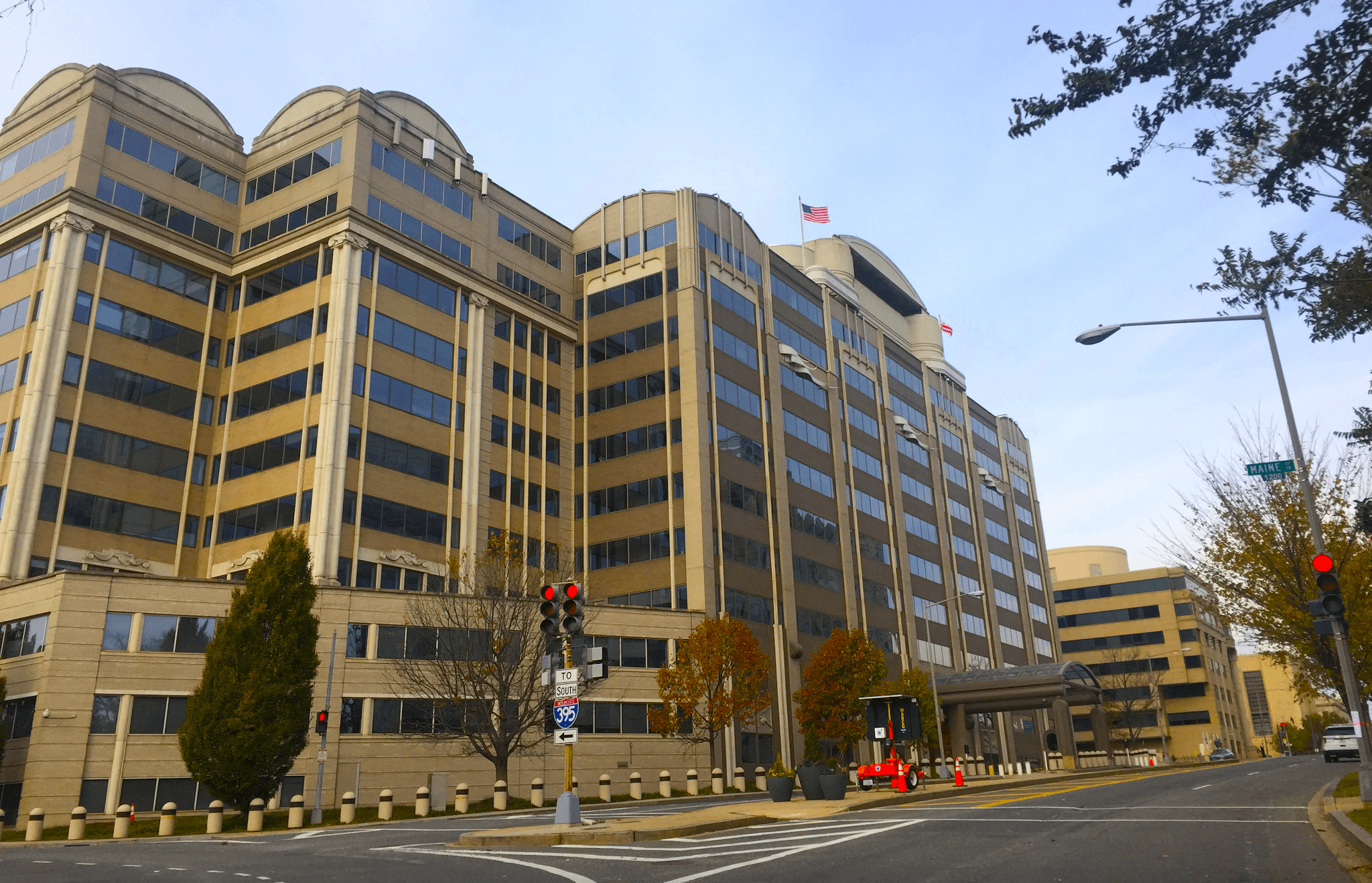
The FCC issued an order stating that carriers may not resort to the “self-help” remedy of blocking calls to avoid potentially inflated termination charges resulting from alleged access stimulation activities. The FCC said its action affirms that all customers will continue to be able to connect with anyone on the network that they so choose.


Numerous local exchange carriers (LECs) and consumers have expressed concern about the blocking or potential blocking of interexchange calls that terminate with certain local exchange carriers as a form of self help to resolve disputes concerning the access rates of these local exchange carriers.

To address concerns expressed by long-distance and wireless companies, the FCC suspended the tariffs of 39 rural carriers due to substantial questions raised about the lawfulness of the rates filed, in light of possible efforts by the carriers to stimulate long-distance access traffic.

http://www.fcc.gov

  • On June 15, 2007, 29 carriers that were participating in the National Exchange Carrier Association (NECA) traffic-sensitive tariffs filed individual tariffs under section 61.39 of the Commission rules. Qwest, Verizon, AT&T, and Sprint Nextel filed objections to these filings, alleging that it is likely that these tariffs will result in unjust and unreasonable rates. The complaining carriers assert the recent conduct of current section 61.39 carriers similarly situated to those that recently made such tariff filings raises serious questions regarding whether such carriers are likely to enter into arrangements for the purpose of increasing their terminating access minutes significantly.
Tags: AllRegulatory
ShareTweetShareSummarizeSummarize
Previous Post

FCC Acts on Waivers for Integrated Set-Top Box Rules

Next Post

KPN Upgrades Media Network with Net Insight

Staff

Staff

Related Posts

Corporate Strategies

NTIA seeks pubic comment on AI regulations

April 11, 2023
Legal / Regulatory

FCC opens Space Bureau and Office of International Affairs

April 9, 2023
Clouds and Carriers

UK to investigate cloud infrastructure giants

April 5, 2023
Corporate Strategies

FCC looks to reevaluate licenses of foreign telecom operators

March 30, 2023
All

Blueprint: Building wholesale networks with OTN

December 20, 2022

Huawei and Orange achieve 157 Tbps over 120km fiber link

December 20, 2022
Next Post

Avago Completes Acquisition of Infineon's Fiber Business

Please login to join discussion

Categories

  • 5G / 6G / Wi-Fi
  • AI Infrastructure
  • All
  • Automotive Networking
  • Blueprints
  • Clouds and Carriers
  • Corporate Strategies
  • CPO
  • Data Centers
  • Enterprise
  • Explainer
  • Feature
  • Hot Start-ups
  • Last Mile / Middle Mile
  • Legal / Regulatory
  • Optical
  • Optical I/O
  • Pluggable Optics
  • Quantum
  • Research
  • Security
  • Semiconductors
  • Silicon Photonics
  • Space Networking & Orbital Data Centers
  • Subsea
  • Sustainability
  • Video
  • Webinars
Converge Digest

A private dossier for networking and telecoms

Follow Us

  • Home
  • About
  • Events Calendar
  • Blueprint Guidelines
  • Privacy Policy
  • Manage Email Delivery
  • NextGenInfra.io
  • buzzwords
  • Archives
  • Milestones
  • On This Day
  • Video Search

© 2026 Converge Digest - A private dossier for networking and telecoms.

No Result
View All Result
  • Home
  • About
  • Events Calendar
  • Blueprint Guidelines
  • Privacy Policy
  • Manage Email Delivery
  • NextGenInfra.io
  • buzzwords
  • Archives
  • Milestones
  • On This Day
  • Video Search

© 2026 Converge Digest - A private dossier for networking and telecoms.

This website uses cookies. By continuing to use this website you are giving consent to cookies being used. Visit our Privacy and Cookie Policy.
Go to mobile version