Intel reported first-quarter 2026 revenue of $13.6 billion, up 7% year-over-year, with strong growth in its Data Center and AI segment and continued momentum in advanced packaging and foundry services. The company posted a GAAP loss of $(0.73) per share, while non-GAAP EPS reached $0.29, reflecting improved operational execution and supply expansion.
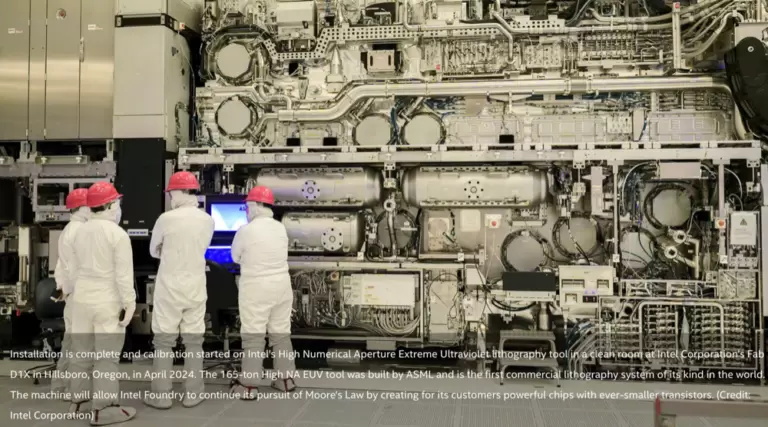
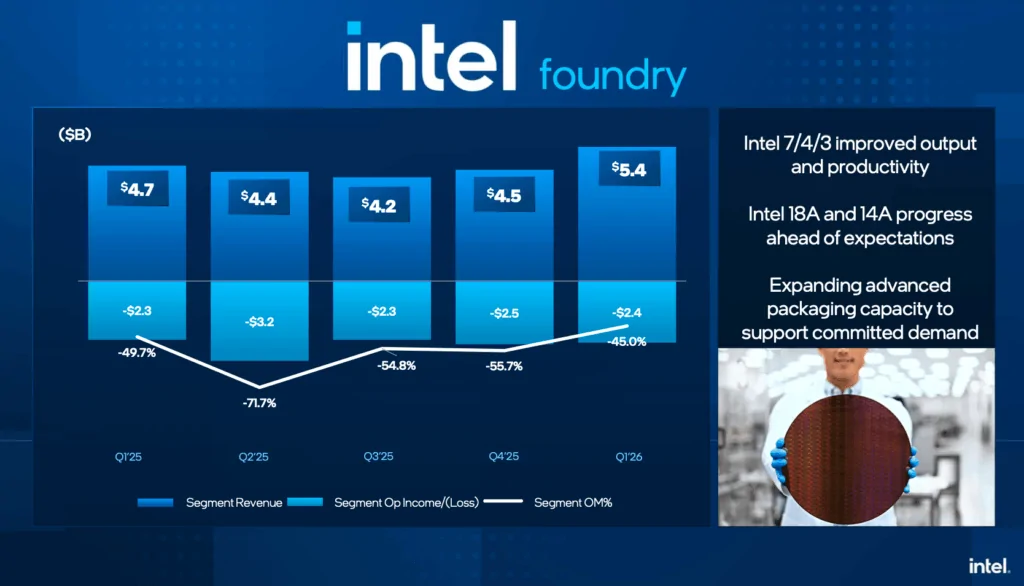
Growth in AI infrastructure demand drove a 22% increase in Data Center and AI (DCAI) revenue to $5.1 billion, while the Client Computing Group (CCG) remained stable at $7.7 billion. Intel Foundry reported $5.4 billion in revenue, up 16%, supported by rising demand for advanced packaging and improved output across process nodes including Intel 7, 4, and 3. The earnings deck highlights double-digit growth in AI-related businesses and a growing backlog for advanced packaging, alongside progress on Intel 18A and 14A nodes.
Intel emphasized its expanding role in AI infrastructure through partnerships and product deployments. The company secured design wins for its Xeon 6 processors, including as the host CPU for NVIDIA’s DGX Rubin NVL8 systems, and expanded collaborations with Google Cloud on workload-optimized instances and custom ASIC infrastructure. Intel also outlined a heterogeneous compute blueprint with SambaNova and joined the Terafab initiative alongside SpaceX, Tesla, and xAI. Looking ahead, Intel expects Q2 revenue between $13.8 billion and $14.8 billion, with non-GAAP EPS of $0.20.
• Revenue: $13.6B, up 7% YoY
• Non-GAAP EPS: $0.29; GAAP EPS: $(0.73)
• Data Center & AI: $5.1B, up 22% YoY
• Client Computing Group: $7.7B, up 1% YoY
• Intel Foundry: $5.4B, up 16% YoY
• Gross margin (non-GAAP): 41.0%, up 1.8 points YoY
• Cash from operations: $1.1B; adjusted free cash flow: $(2.0)B
• Q2 outlook: $13.8B–$14.8B revenue; $0.20 non-GAAP EPS
“The next wave of AI will bring intelligence closer to the end user, moving from foundational models to inference to agentic. This shift is significantly increasing the need for Intel’s CPUs and wafer and advanced packaging offerings,” said Lip-Bu Tan, Intel CEO.
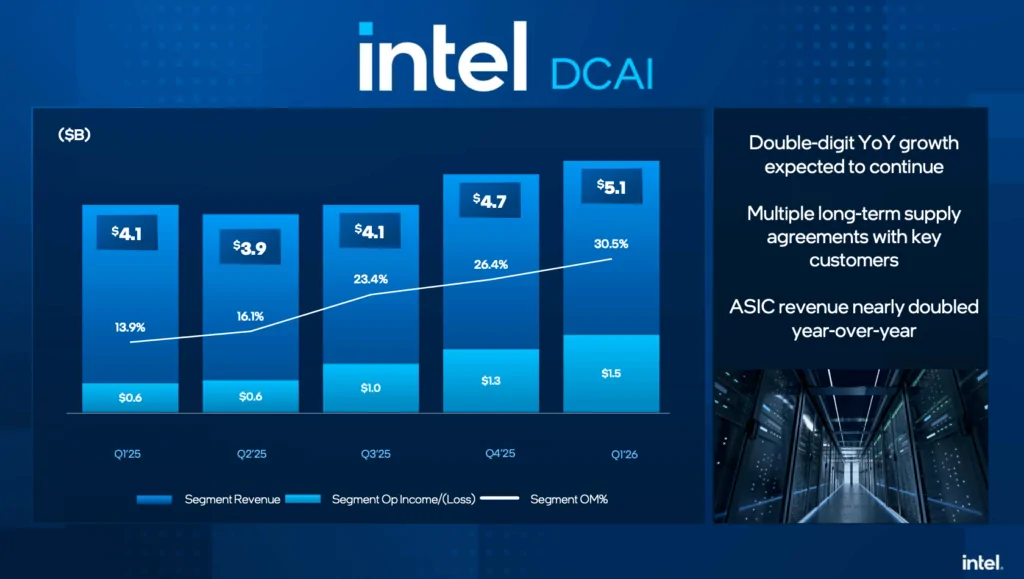
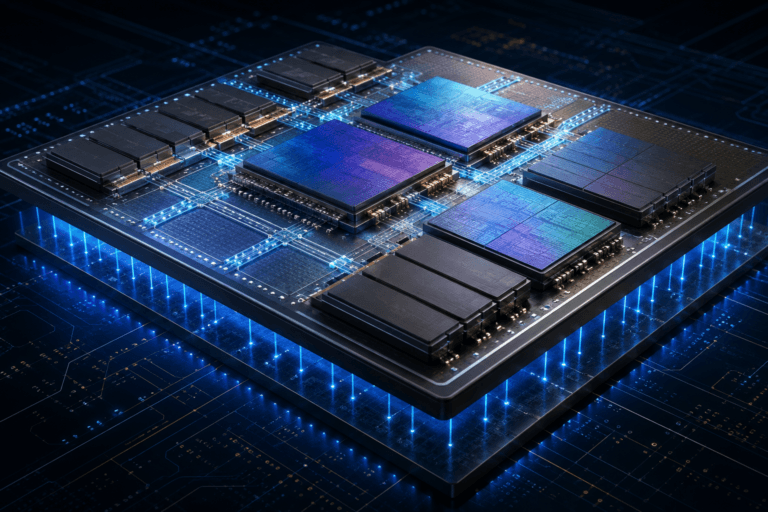
🌐 Analysis: Intel’s results show a clear pivot toward AI infrastructure, where CPUs, packaging, and foundry services converge into a broader platform strategy. The 22% growth in DCAI and rising advanced packaging demand align with industry trends toward heterogeneous compute and tightly integrated CPU-accelerator architectures.