Qualcomm Incorporated reported fiscal second-quarter 2026 revenue of $10.6 billion, with GAAP EPS of $6.88 and non-GAAP EPS of $2.65. The quarter included a significant $5.7 billion tax benefit tied to the release of a valuation allowance, which materially boosted GAAP net income. Core operating performance reflected mixed trends, with overall QCT revenues declining 4% year-over-year amid continued softness in the handset market.
The company emphasized diversification gains across automotive and IoT segments, which together grew 20% year-over-year. Automotive revenue reached a record $1.33 billion, up 38%, while IoT revenue increased 9% to $1.73 billion. Handset revenues declined 13% to $6.0 billion, reflecting ongoing demand pressure and memory-related constraints affecting OEM purchasing patterns. QTL licensing revenues rose 5% to $1.38 billion, maintaining strong margins at 72%.
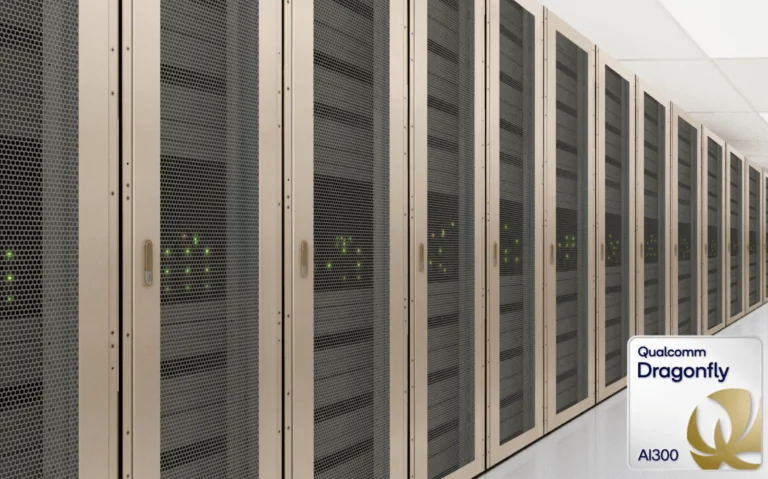
Cristiano Amon pointed to strategic momentum in AI and data center initiatives, including a custom silicon engagement with a leading hyperscaler expected to begin initial shipments later in 2026. The company also returned $3.7 billion to shareholders during the quarter and completed $5.4 billion in share repurchases in the first half of fiscal 2026, alongside a newly authorized $20 billion buyback program. Qualcomm expects Q3 FY2026 revenues in the range of $9.2 billion to $10.0 billion, with non-GAAP EPS projected between $2.10 and $2.30.
- Total revenue: $10.6 billion (flat year-over-year on a non-GAAP basis)
- GAAP EPS: $6.88 (includes $5.33 per share tax benefit)
- Non-GAAP EPS: $2.65 (down 7% year-over-year)
- QCT revenue: $9.08 billion (-4% YoY)
- Handsets: $6.02 billion (-13% YoY)
- Automotive: $1.33 billion (+38% YoY, record)
- IoT: $1.73 billion (+9% YoY)
- QTL revenue: $1.38 billion (+5% YoY)
- Shareholder returns: $3.7 billion in Q2; $5.4 billion YTD buybacks
- New share repurchase authorization: $20 billion
- Q3 FY2026 guidance: $9.2B–$10.0B revenue; $2.10–$2.30 non-GAAP EPS
“We are in a period of profound industry transformation — the rise of AI agents is reshaping our roadmap across every platform we develop. We are equally excited by our entry into the data center, where a leading hyperscaler custom silicon engagement is on track for initial shipments later this calendar year.”
🌐 Analysis: Qualcomm’s results reinforce a multi-year transition away from handset dependency toward automotive, IoT, and emerging AI infrastructure markets. The data center silicon engagement signals a direct challenge to incumbents such as NVIDIA, AMD, and custom ASIC programs at hyperscalers, aligning Qualcomm with broader industry shifts toward heterogeneous compute and domain-specific acceleration. Continued pressure in handsets underscores the urgency of this diversification strategy, particularly as memory constraints and regional demand variability persist.