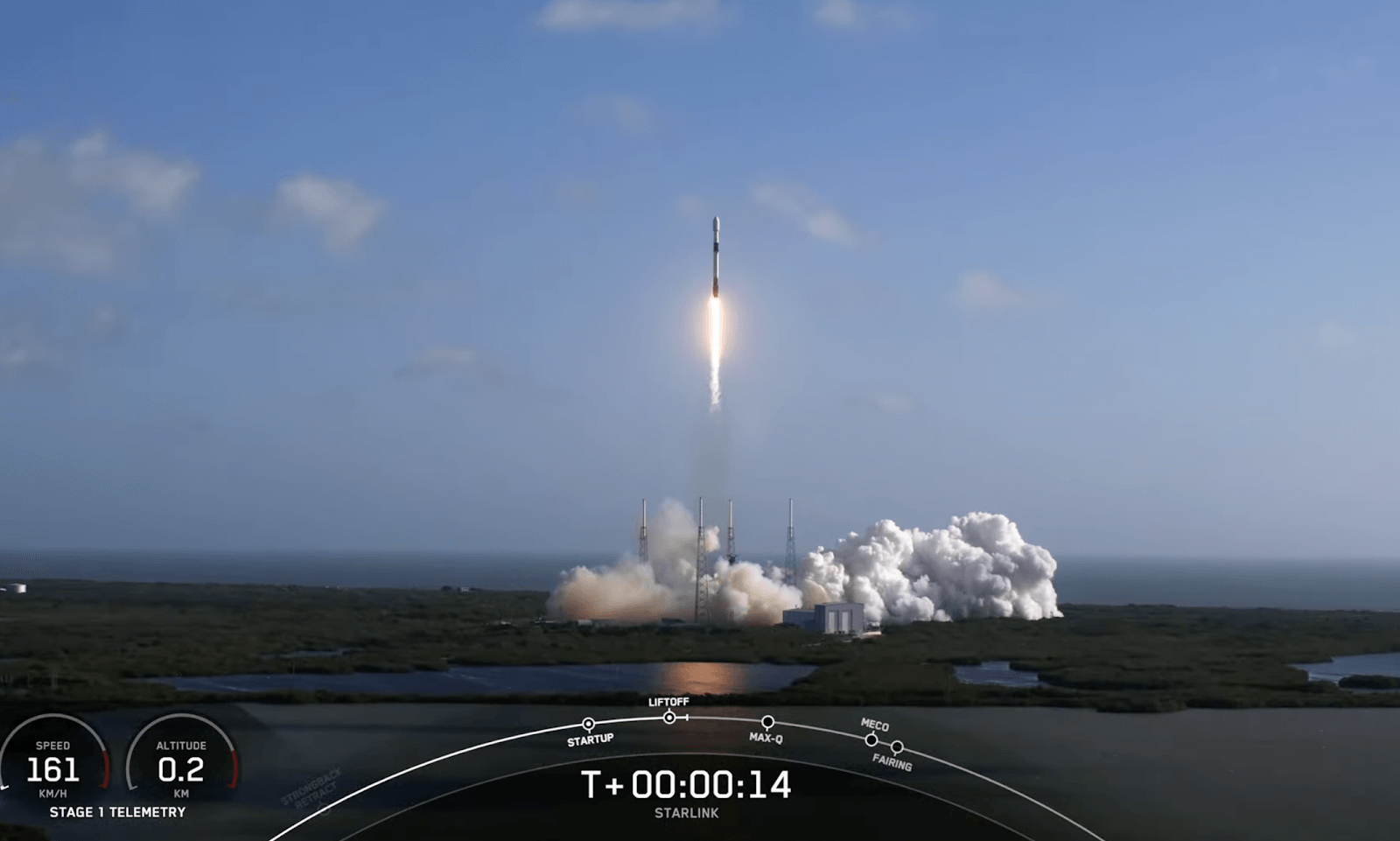
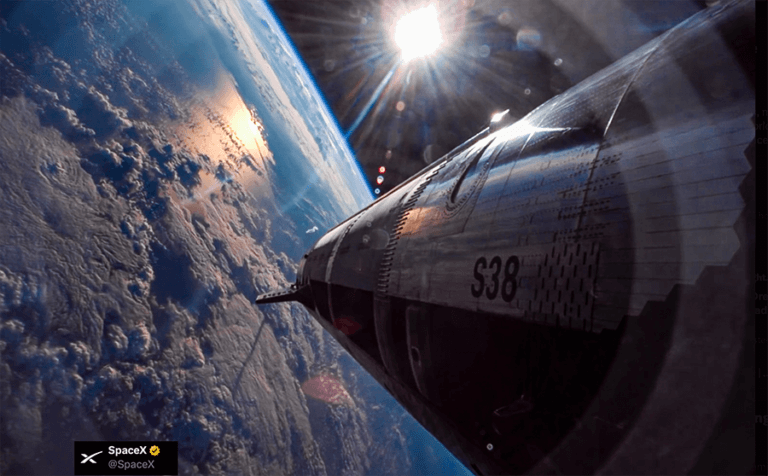
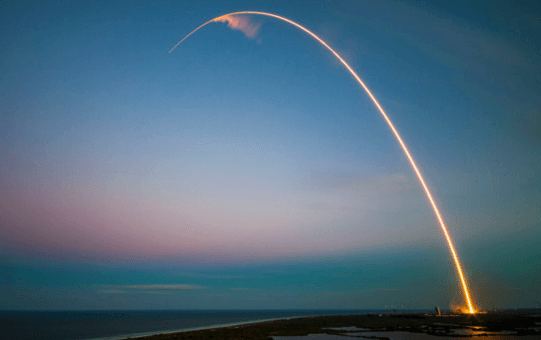
SpaceX successfully launched the SES-9 satellite using a Falcon 9 rocket from Cape Canaveral Air Force Station, Florida.
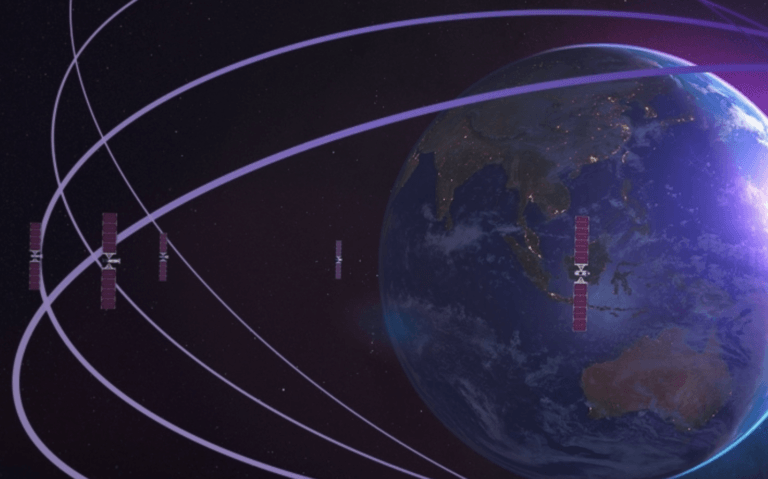
SES-9 is SES’s largest satellite to serve the Asia-Pacific region. It weighed 5.3 tonnes at the launch and has 57 high-power Ku-band transponders – equivalent to 81×36 MHz transponders’ It thus provides significant expansion capacity to serve the buoyant and fast-growing video, enterprise, mobility and government sectors across Northeast Asia, South Asia, India, Indonesia and the Philippines.
Boeing was lead contractor.
In addition, SES-9 is equipped with dedicated mobility beams to provide maritime coverage vessels on high-traffic maritime routes between the Suez Canal and Strait of Malacca.
The Falcon 9 rocket attempted to land on a drone ship in the Atlantic, but missed narrowly.
Every article published by Converge Digest is researched, curated, fact-checked and editorially reviewed by Jim Carroll, Editor & Publisher. AI-assisted drafting may be used to accelerate production, but all content is reviewed, refined and approved prior to publication.
You just read about SES. One of the companies whose work it now carries:
GE Americom built Satellite distribution of television, radio, data and network services across the Americas. What became of it?
GE Americom brought Satellite distribution of television, radio, data and network services across the Americas to Space. That work was distinctive enough to lead to its acquisition by SES for US$5B. The standalone name now passes into the archive — but the team and technology continue inside SES today. One of 430 names here whose work outlived the company.
You just read about All. A technology from the archive that helped get us here:
Google/Alphabet Project Loon served 2011–2021. What ultimately replaced it?
Google/Alphabet Project Loon solar-powered balloons drifting in the stratosphere (~20 km), steering by rising and falling into different wind layers, relaying LTE from ground stations to phones far below. Its job passed to Unit economics — but the problem it solved, and the ideas it proved, live on in what replaced it. The standard rests here in the archive. One of 198 technologies here that opened a door and then held it for the next.

 SES-9 is SES’s largest satellite to serve the Asia-Pacific region. It weighed 5.3 tonnes at the launch and has 57 high-power Ku-band transponders – equivalent to 81×36 MHz transponders’ It thus provides significant expansion capacity to serve the buoyant and fast-growing video, enterprise, mobility and government sectors across Northeast Asia, South Asia, India, Indonesia and the Philippines.