Apple to Build State-of-the-art Data Centers in Ireland and Denmark
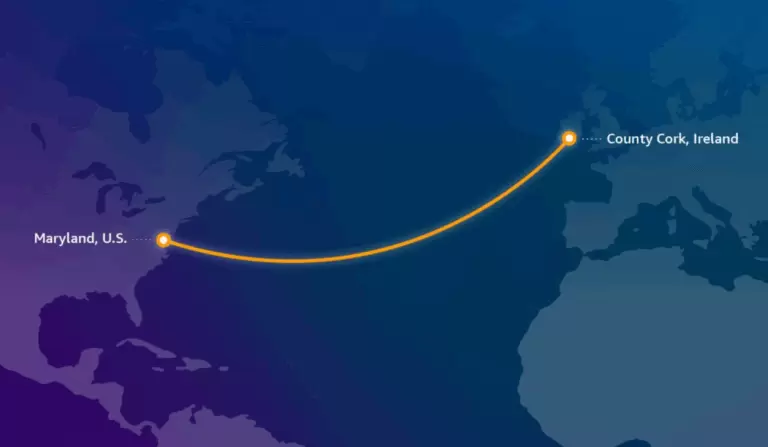
Apple will spend EUR 1.7 billion to build and operate two new data centers in Ireland and Denmark to power its iTunes Store, App Store, iMessage, Maps and Siri for customers across Europe.
The facilities, located in County Galway, Ireland, and Denmark’s central Jutland, will use 100% renewable energy. Each will measure 166,000 square metres and expected to begin operations in 2017.
Apple noted that it now directly employs 18,300 people across 19 European countries and has added over 2,000 jobs in the last 12 months. Last year, Apple spent more than €7.8 billion with European companies. Apple also cited a number of ecological steps it will take to mitigate the impact of its new data centers, including helping to restore native trees to Derrydonnell Forest in Ireland and contributing excess heat from the new building in Denmark to a district heating system in the local community.
Every article published by Converge Digest is researched, curated, fact-checked and editorially reviewed by Jim Carroll, Editor & Publisher. AI-assisted drafting may be used to accelerate production, but all content is reviewed, refined and approved prior to publication.
You just read about Apple. One of the companies whose work it now carries:
P.A. Semi built High-performance, energy-efficient Power Architecture processors and system-on-chip designs. What became of it?
P.A. Semi brought High-performance, energy-efficient Power Architecture processors and system-on-chip designs to Semiconductor. That work was distinctive enough to lead to its acquisition by Apple for US$278M. The standalone name now passes into the archive — but the team and technology continue inside Apple today. One of 430 names here whose work outlived the company.
You just read about All. A technology from the archive that helped get us here:
Google/Alphabet Project Loon served 2011–2021. What ultimately replaced it?
Google/Alphabet Project Loon solar-powered balloons drifting in the stratosphere (~20 km), steering by rising and falling into different wind layers, relaying LTE from ground stations to phones far below. Its job passed to Unit economics — but the problem it solved, and the ideas it proved, live on in what replaced it. The standard rests here in the archive. One of 198 technologies here that opened a door and then held it for the next.

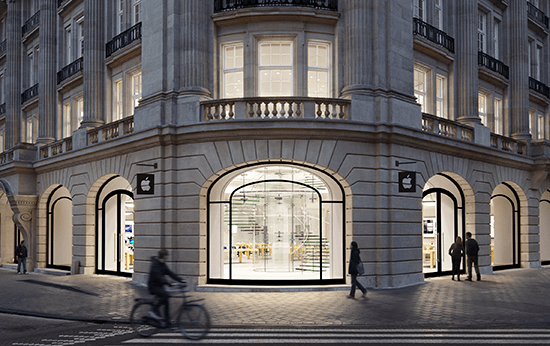
 Apple will spend EUR 1.7 billion to build and operate two new data centers in Ireland and Denmark to power its iTunes Store, App Store, iMessage, Maps and Siri for customers across Europe.