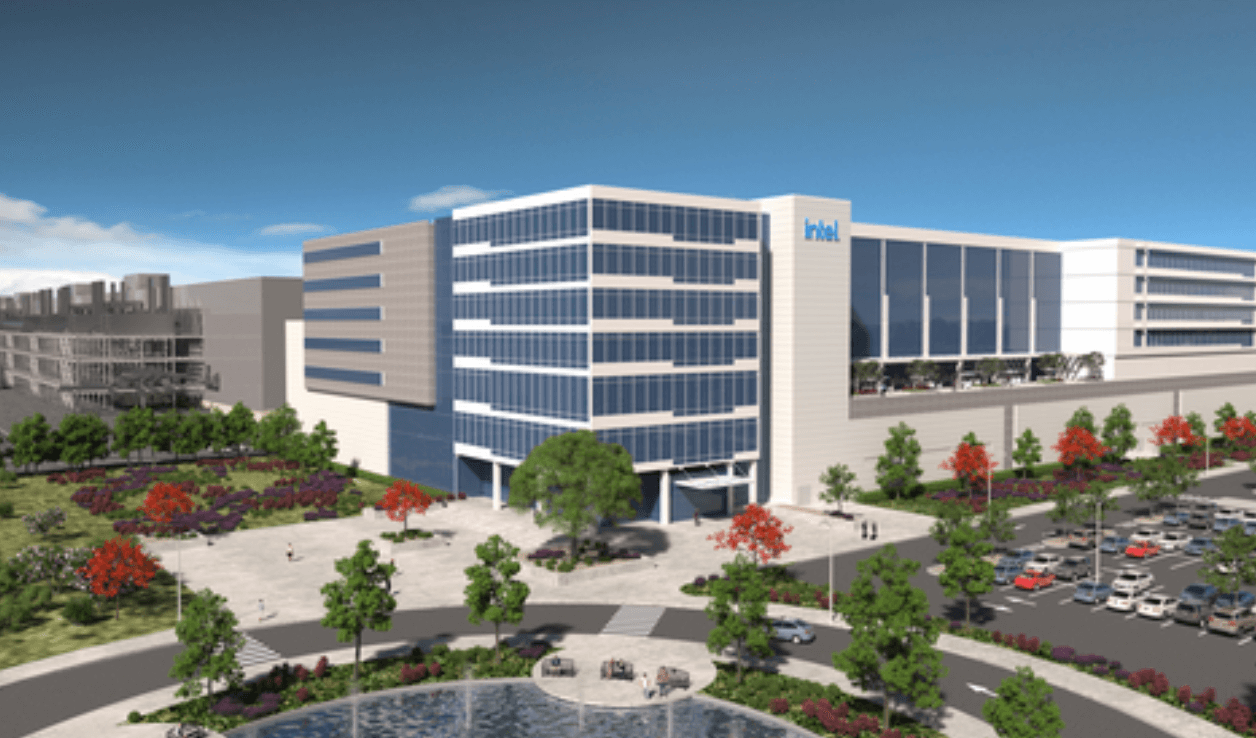
Intel announced plans to invest an initial 17 billion euros into a leading-edge semiconductor fab mega-site in Magdeburg, Germany, the capital of Saxony-Anhalt. Construction is expected to begin in the first half of 2023 and production planned to come online in 2027.

The new facility will use Intel’s most advanced, Angstrom-era transistor technologies, serving the needs of both foundry customers and Intel for Europe and globally as part of the company’s IDM (integrated device manufacturer) 2.0 strategy.
Intel also plans to create a new R&D and design hub in France, and to invest in R&D, manufacturing and foundry services in Ireland, Italy, Poland and Spain.
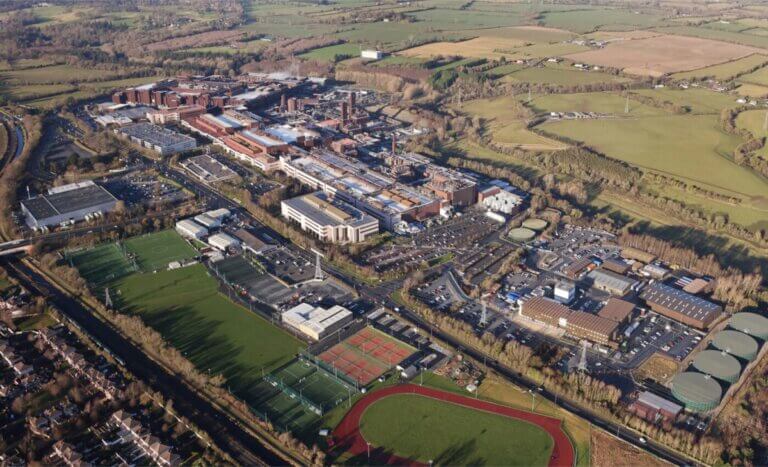
Intel is also continuing to invest in its Leixlip, Ireland, expansion project, spending an additional 12 billion euros and doubling the manufacturing space to bring Intel 4 process technology to Europe and expand foundry services. Once complete, this expansion will bring Intel’s total investment in Ireland to more than 30 billion euros.
In addition, Intel and Italy have entered into negotiations to enable a state-of-the-art back-end manufacturing facility. With a potential investment of up to 4.5 billion euros, this factory would create approximately 1,500 Intel jobs plus an additional 3,500 jobs across suppliers and partners, with operations to start between 2025 and 2027.
Pat Gelsinger, CEO of Intel, said: “Our planned investments are a major step both for Intel and for Europe. The EU Chips Act will empower private companies and governments to work together to drastically advance Europe’s position in the semiconductor sector. This broad initiative will boost Europe’s R&D innovation and bring leading-edge manufacturing to the region for the benefit of our customers and partners around the world. We are committed to playing an essential role in shaping Europe’s digital future for decades to come.”