
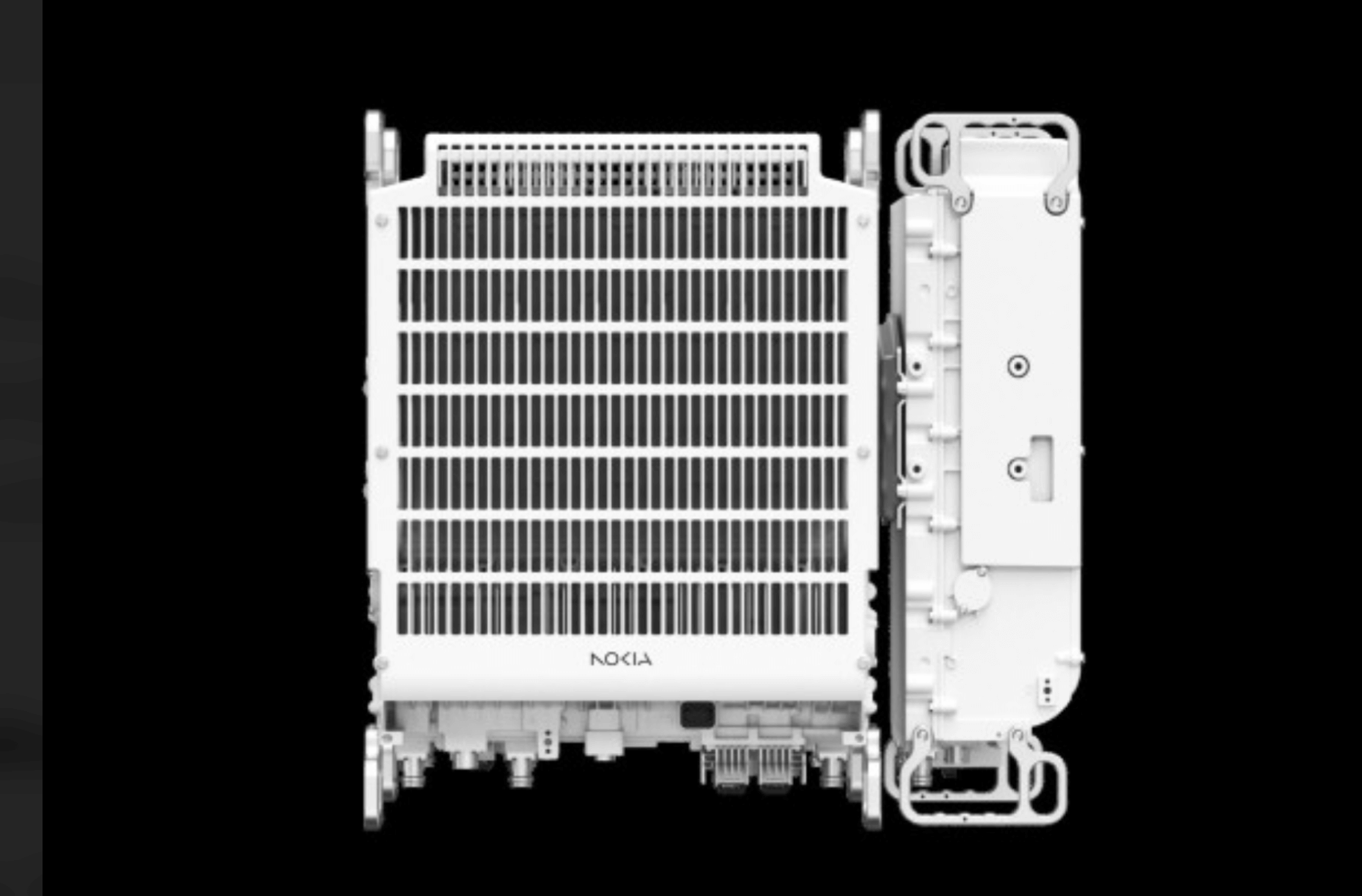
Nokia introduced a major update to its AirScale radio access portfolio at MWC26, unveiling new Doksuri Remote Radio Heads (RRHs) designed for AI-RAN deployments and launching a marketplace for Service Management and Orchestration (SMO). The company positioned the new radios as foundational infrastructure for AI-driven traffic growth, targeting higher energy efficiency, lighter hardware, and faster installation to support 5G-Advanced and future 6G evolution.
The Doksuri radios integrate Nokia’s latest ReefShark System-on-Chip (SoC), embedding additional processing and AI-ready capabilities directly into the radio layer. Nokia said the new platform delivers up to 30% better power efficiency under typical network conditions, up to 25% weight reduction compared to prior generations, and a redesigned mounting system that can reduce installation time by up to 70%. The radios support Open RAN fronthaul standards, positioning them for multivendor AI-RAN architectures. Nokia also showcased new Habrok Massive MIMO products for both TDD and FDD spectrum bands, aimed at boosting capacity and coverage in dense 5G environments.
Alongside the hardware updates, Nokia launched an rApp Marketplace for its SMO platform. The marketplace allows communication service providers to discover, test, and deploy automation applications within an open, multivendor RAN environment. Nokia said the initiative aims to accelerate AI-driven automation by enabling third-party developers and ecosystem partners to integrate rApps that improve performance, efficiency, and operational agility across radio networks.
• Doksuri RRHs built on next-generation ReefShark SoC
• Up to 30% improvement in power efficiency
• Up to 25% lighter hardware footprint
• Installation time reduced by up to 70% with new mounting system
• Open RAN fronthaul compatibility for multivendor AI-RAN deployments
• New Habrok Massive MIMO radios for TDD and FDD spectrum
• Launch of SMO rApp Marketplace for RAN automation
“As networks transition toward AI-native architecture, performance, intelligence and efficiency must be built into the foundation. Our next-generation radio portfolio brings advanced processing closer to the edge, enabling operators to meet rising AI-driven traffic demands while reducing energy consumption and total cost of ownership. By embedding AI-ready capabilities directly into the radio layer, we are helping telcos build sustainable, high-performance networks ready for the next wave of 5G and the evolution toward 6G,” said Pallavi Mahajan, Chief Technology and AI Officer at Nokia.