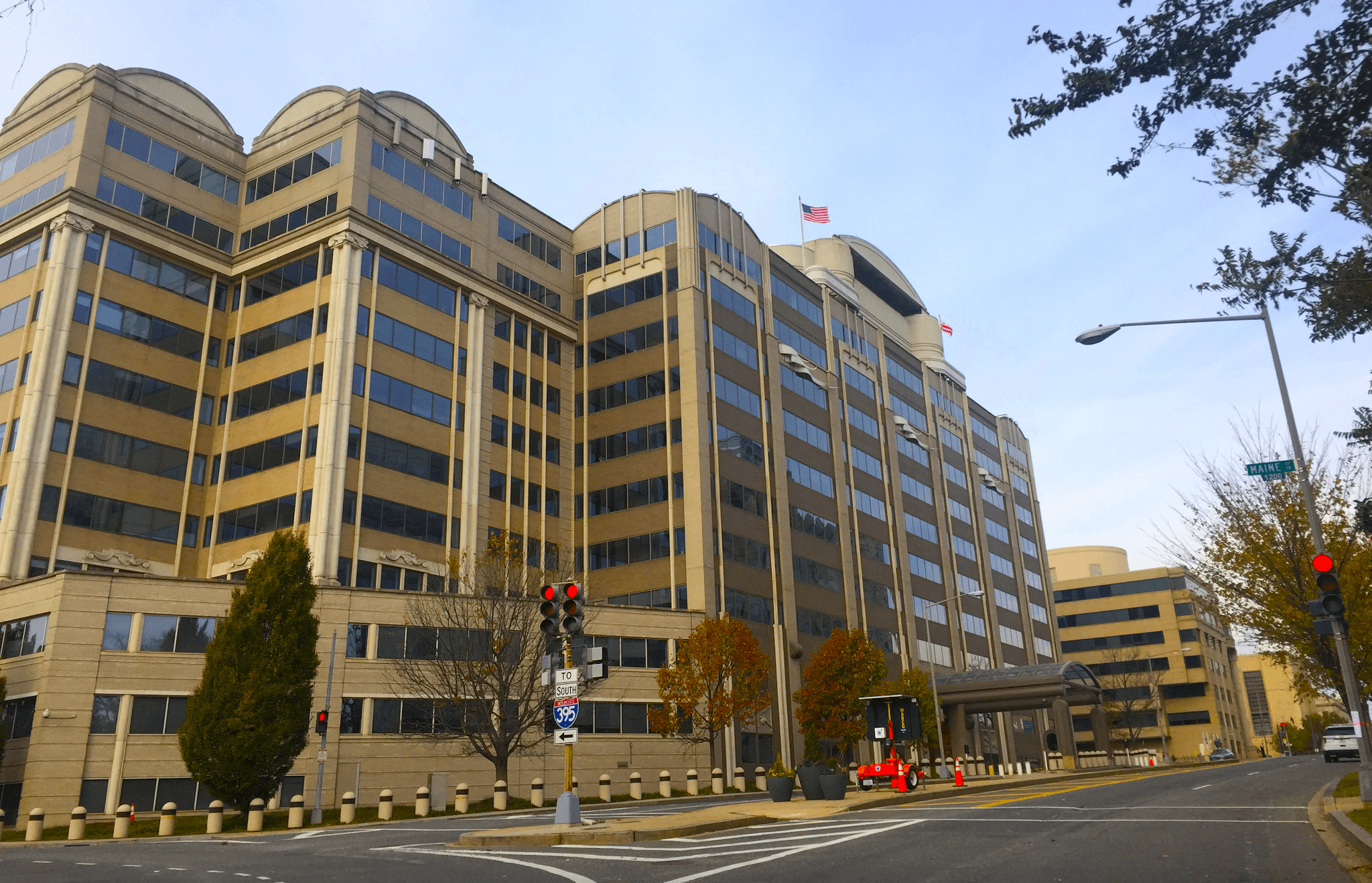
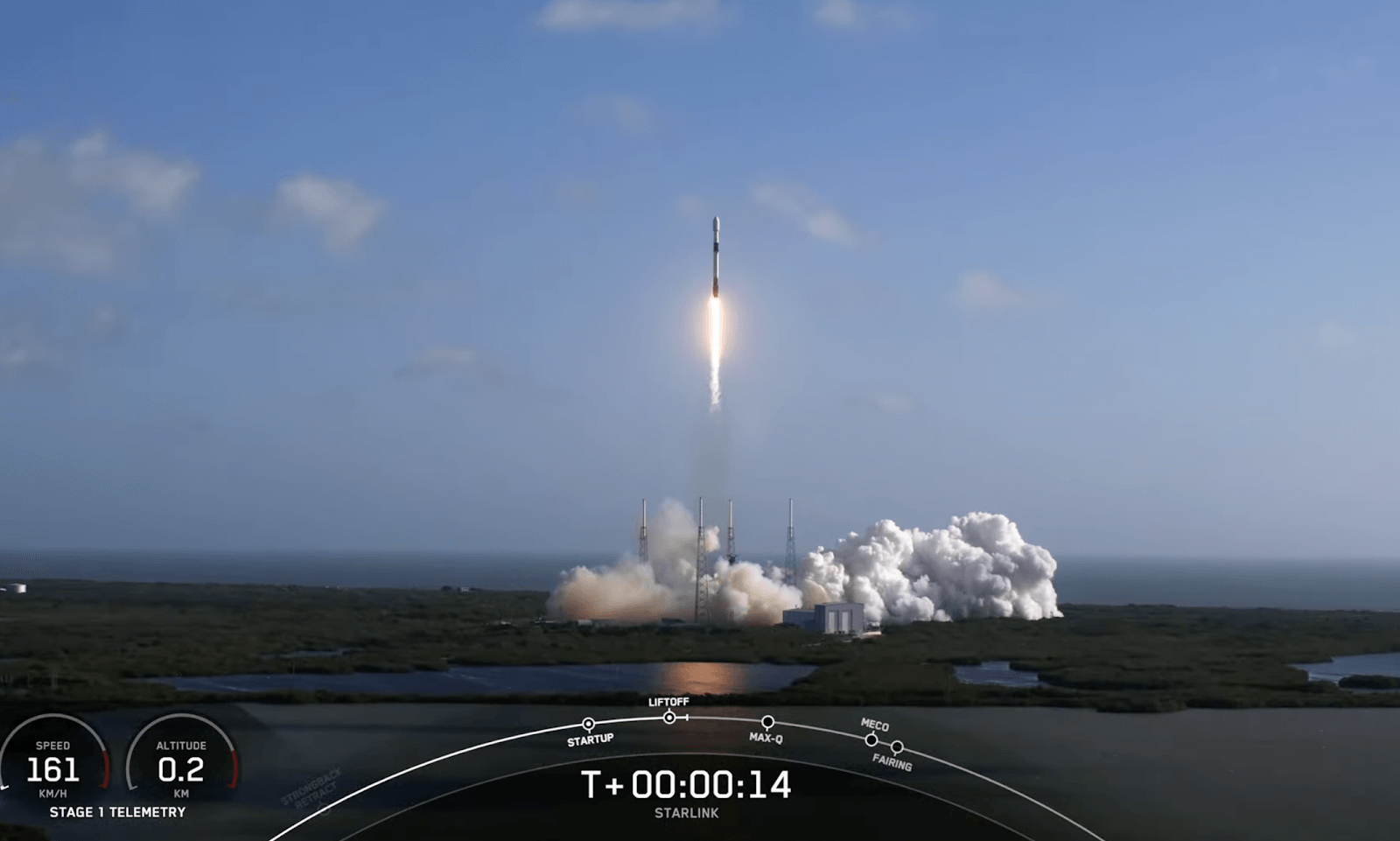
The U.S. Federal Communications Commission approved a major expansion of SpaceX’s second-generation Starlink constellation, authorizing a large increase in low-Earth orbit satellite capacity aimed at improving broadband coverage and performance across the United States and globally.
Under the decision, the FCC granted Space Exploration Holdings permission to construct, deploy, and operate an additional 7,500 Gen2 Starlink satellites, bringing the authorized total to 15,000 spacecraft worldwide. The expanded constellation is designed to support higher throughput, lower latency, and new service models, including enhanced mobile and supplemental broadband coverage from space. The FCC noted that the decision benefited from coordination with the U.S. Department of Commerce and the National Telecommunications and Information Administration.
Beyond increasing satellite count, the order updates regulatory conditions to better align with next-generation LEO system designs. SpaceX gains expanded flexibility in orbital configuration, spectrum use, and beam management, allowing the Gen2 system to deliver greater aggregate capacity and more efficient geographic coverage. These changes reflect the FCC’s broader effort to modernize satellite licensing frameworks as constellations scale in size, complexity, and service scope.
• Authorizes deployment of up to 15,000 Gen2 Starlink satellites globally
• Approves new orbital shells at altitudes between 340 km and 485 km to increase coverage density
• Enables operations across Ku-, Ka-, V-, E-, and W-band frequencies
• Supports both Fixed Satellite Service (FSS) and Mobile Satellite Service (MSS) use cases
• Removes legacy restrictions on overlapping beams to unlock higher network capacity
• Allows direct-to-cell services outside the U.S. and supplemental mobile coverage domestically
“By authorizing 15,000 new and advanced satellites, the FCC has given SpaceX the green light to deliver unprecedented satellite broadband capabilities, strengthen competition, and help ensure that no community is left behind,” said FCC Chairman Brendan Carr.
🌐 Analysis
The authorization underscores a regulatory shift toward enabling dense, multi-band LEO networks that blur traditional boundaries between fixed broadband, mobile connectivity, and satellite services. As SpaceX, Amazon’s Project Kuiper, and other LEO operators pursue large-scale deployments, spectrum efficiency, orbital coordination, and mobile-satellite integration are emerging as central competitive factors alongside launch capacity and terminal economics.
| Category | Current Starlink Authorization | Newly Approved Gen2 Constellation |
|---|---|---|
| Total Authorized Satellites | 7,500 satellites | 15,000 satellites (7,500 additional approved) |
| Generation | Second-generation (Gen2), initial authorization | Expanded Gen2 with upgraded designs |
| Orbital Altitudes | Limited Gen2 orbital shells | Multiple shells from 340 km to 485 km |
| Spectrum Bands | Ku- and Ka-band | Ku-, Ka-, V-, E-, and W-band |
| Supported Services | Fixed Satellite Service (FSS) | FSS and Mobile Satellite Service (MSS) |
| Beam Coverage Rules | Legacy restrictions on overlapping beams | Overlapping beams permitted to increase capacity |
| Mobile & Direct-to-Cell | Limited or not authorized | Direct-to-cell outside U.S. and supplemental mobile coverage within U.S. |
| Network Capacity | Lower aggregate throughput | Significantly higher capacity and coverage density |