Verizon recently tested Ericsson’s Low-Latency, Low-Loss, Scalable Throughput (L4S) capabilities for optimizing the Verizon 5G network.
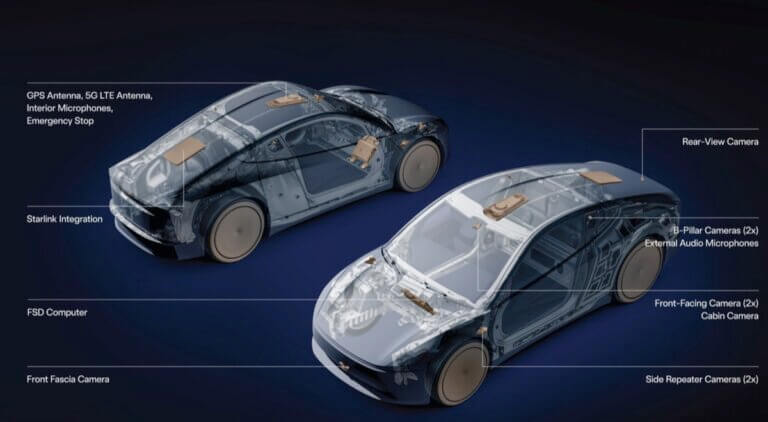
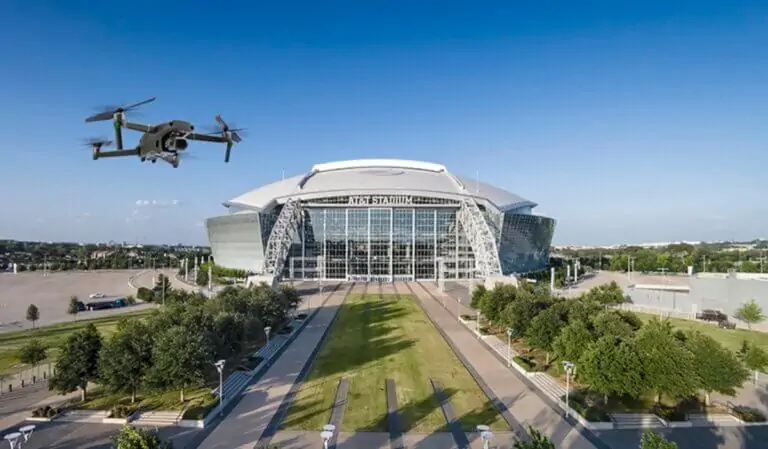
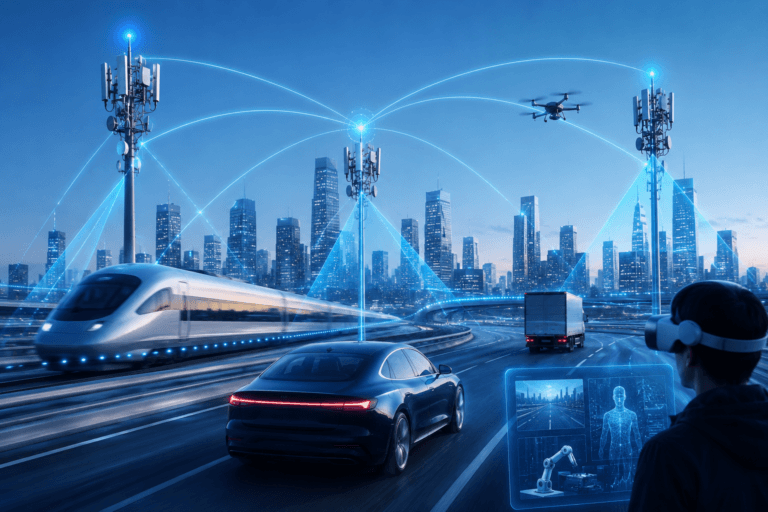
L4S is designed to enable content providers to use the specific, robust network resources needed for a variety of time-critical applications, including entertainment, gaming, AR/VR, real-time video conferencing, Vehicle to Everything (V2X) communications, teleoperated driving, and drone operations, which all have in common the need for fast and consistent throughputs and the ability to meet desired latency targets in real time.
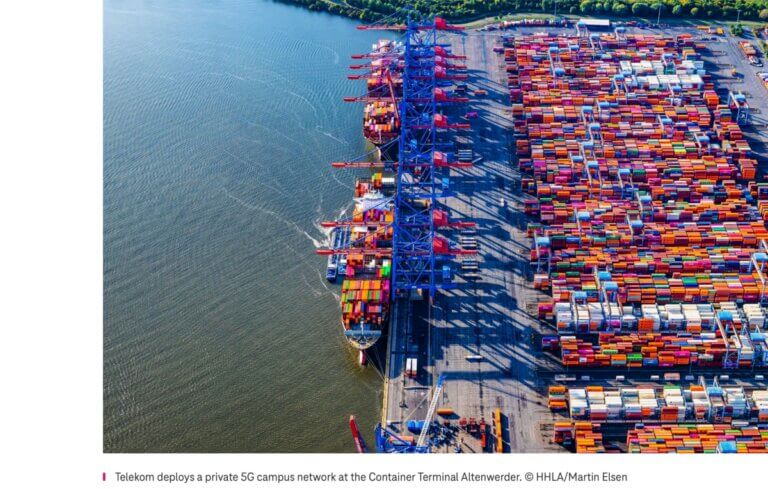
Upon integration into the network, L4S will synergize with a suite of cutting-edge technologies to deliver the requisite speed, latency, and overall performance necessary for enhanced solutions. This includes Active Queue Management, caching strategies, Mobile Edge Compute (MEC) capabilities, the Verizon Cloud Platform (VCP), a fully virtualized 5G standalone core, virtualized Radio Access Network (RAN), artificial intelligence, network slicing, and comprehensive orchestration. Together within Verizon’s 5G ecosystem, these technologies will underpin sophisticated applications such as extended reality (XR) experiences, real-time vehicle communication, robotic coordination in manufacturing environments, instant data gathering from myriad sensors in logistics centers, or drones capturing and transmitting video with minimal delay.
The L4S trial, conducted in Ericsson’s D-15 5G innovation and co-creation lab in Santa Clara, CA, tested an XR application using an XR virtual reality headset over Ericsson’s 5G stand alone core connecting to Verizon’s C-Band spectrum. The trial demonstrated how enabling L4S signaling in the Radio Access Network allowed content providers to adjust the rates at which they sent their data packets, thereby markedly improving the performance of urgent, high-bandwidth applications over Verizon’s 5G network. The results showed latency reduction by up to fifty percent,
“While the first wave of 5G saw massive network infrastructure deployments, increased 5G adoption, and rapid ecosystem building, the second wave of the 5G era will be characterized by widespread innovation built on speed, massive capacity, low latency, security and reliability,” said Adam Koeppe, Senior Vice President of Network and Technology Planning for Verizon. “Just as we worked to evolve 4G after its initial launch into a high-performance network, we are now evolving the Radio Access Network providing 5G technology by introducing advanced technology features that will push the boundaries of what this service can provide to our customers.”
“Our goal from the beginning has been to create a transformational 5G network. That requires a redesigned, newly architected, fully virtualized network that can fundamentally manage mobile data differently than we have in the past,” said Koeppe. “With our virtualized Verizon Cloud Platform (VCP) core architecture, spectrum choices, virtualized RAN, owned and upgraded fiber footprint, edge platform capabilities and infused intelligence, we are leading the industry in introducing advanced technology and capabilities into the 5G network.”