Marvell supplies OCTEON baseband processors for Fujitsu base stations
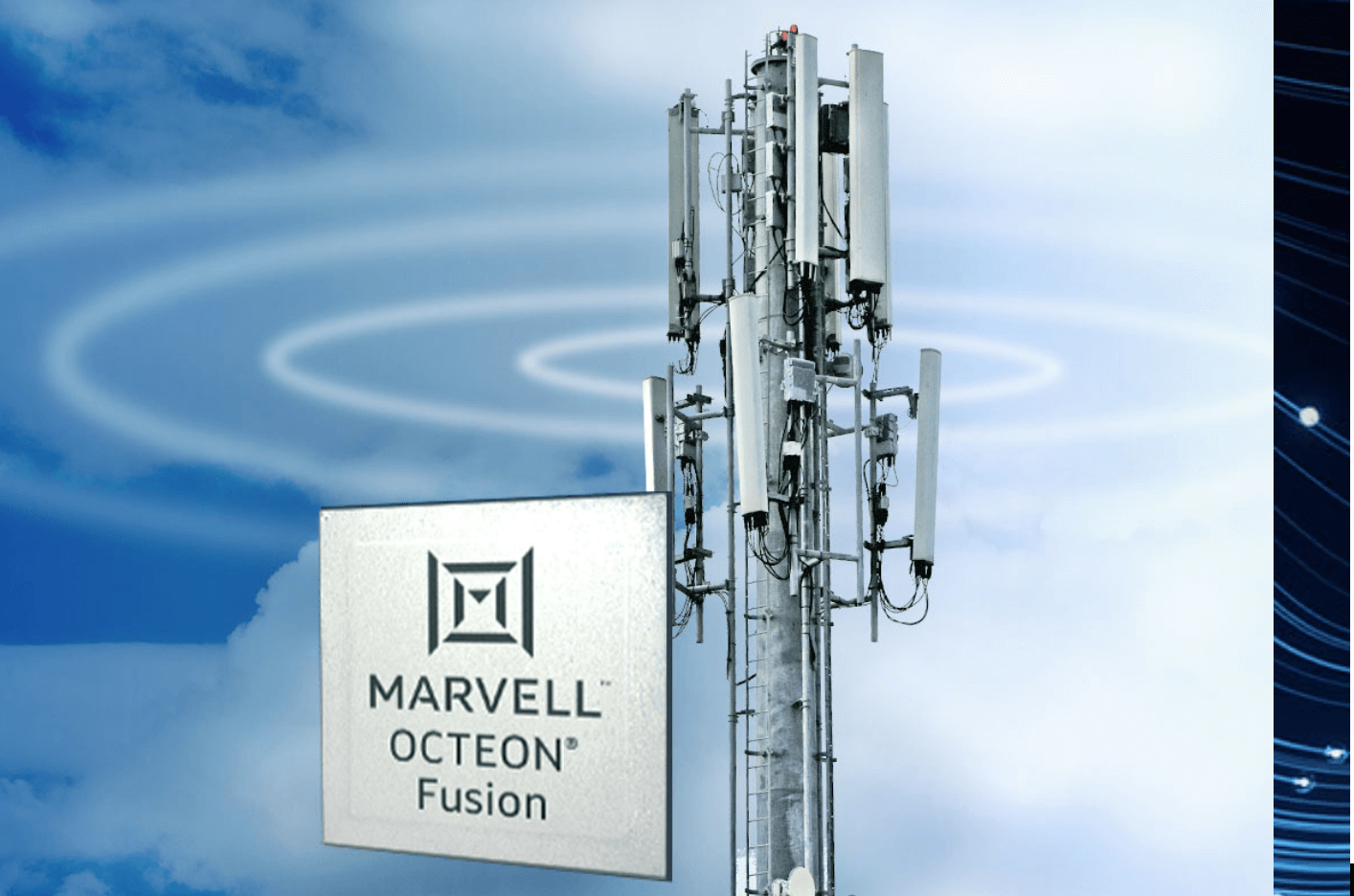
Fujitsu has selected Marvell’s baseband processor silicon to power its new 5G New Radio (NR) base stations.
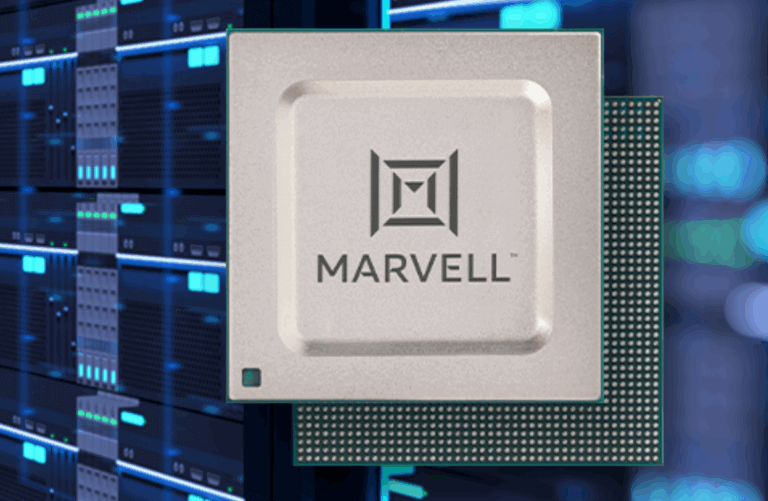
Specifically, Fujitsu will adopt Marvell’s OCTEON Fusion baseband processors for their 5G base station designs and also plans to engage with Marvell on O-RAN distributed unit (DU) products, enabling them to bring advanced 5G technologies to the worldwide market.
“We are extremely pleased that Fujitsu has selected Marvell to help increase their 5G RAN footprint around the globe,” said Raj Singh, Executive Vice President of the Processors Business Group at Marvell. “Fujitsu is an innovator in 5G infrastructure solutions from the radio unit (RU) to the DU and the network core. OCTEON Fusion provides a scalable and flexible platform that will enable Fujitsu to leverage the technology across multiple product offerings.”
Every article published by Converge Digest is researched, curated, fact-checked and editorially reviewed by Jim Carroll, Editor & Publisher. AI-assisted drafting may be used to accelerate production, but all content is reviewed, refined and approved prior to publication.
You just read about Semiconductors. A name from the archive that helped shape it:
EZchip Semiconductor built Network processors for carrier Ethernet routing. What became of it?
EZchip Semiconductor brought Network processors for carrier Ethernet routing to Semiconductor. That work was distinctive enough to lead to its acquisition by Mellanox Technologies for US$811M. The standalone name now passes into the archive — but the team and technology continue inside Mellanox Technologies today. One of 430 names here whose work outlived the company.
You just read about Semiconductors. A technology from the archive that helped get us here:
RDRAM (Rambus DRAM) served 1999–2000. What ultimately replaced it?
RDRAM (Rambus DRAM) a narrow, very high-speed serial memory channel that Intel pushed as the Pentium 4 standard - but it ran hot, cost more, and carried heavy licensing baggage. Its job passed to DDR SDRAM — but the problem it solved, and the ideas it proved, live on in what replaced it. The standard rests here in the archive. One of 198 technologies here that opened a door and then held it for the next.