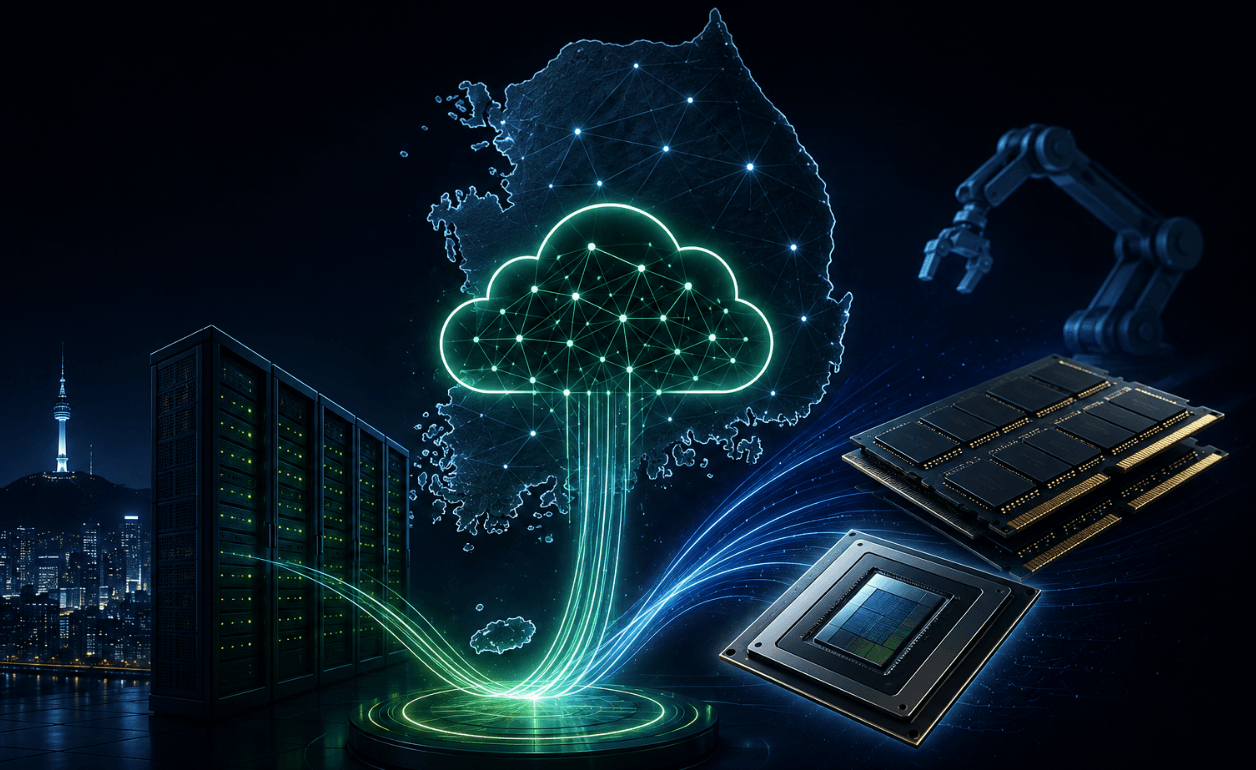
NVIDIA, SK Telecom, and SK hynix unveiled a broad set of initiatives aimed at building Korea’s AI infrastructure ecosystem, spanning gigawatt-scale AI factories, next-generation memory development, and AI-driven semiconductor manufacturing. The announcements include plans for SK Telecom to deploy a gigawatt-scale AI Cloud based on NVIDIA’s DSX platform and a multiyear technology partnership between NVIDIA and SK hynix to develop advanced memory aligned with NVIDIA’s future AI computing roadmap.
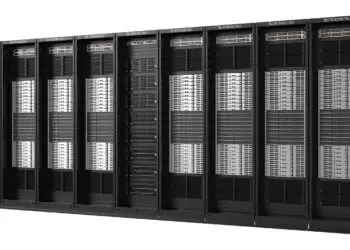
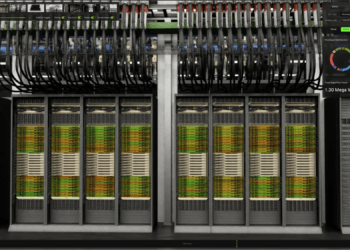
SK Telecom plans to build a gigawatt-scale AI Cloud in Korea using NVIDIA DSX, with the first AI factory expected to come online in 2027. The infrastructure will support sovereign AI, enterprise AI, physical AI, and agentic AI services across Korea, leveraging SK Telecom’s telecommunications, data center, and enterprise infrastructure assets. Built on NVIDIA’s DSX full-stack AI factory architecture, the deployment aims to optimize token production, energy efficiency, and operational economics for large-scale AI workloads. SK Telecom will also join NVIDIA’s Cloud Partner program and collaborate with NVIDIA on future AI factory architectures spanning accelerated computing, memory technologies, and data center operations.
At the same time, NVIDIA and SK hynix announced a multiyear technology partnership focused on next-generation memory technologies required for the global expansion of AI factories. The companies will codevelop memory for future NVIDIA platforms including Vera Rubin AI supercomputers, Vera CPUs, RTX Spark-powered PCs, and Jetson Thor robotic computing systems. The agreement addresses the long development cycles, advanced manufacturing requirements, and capital investments needed to ensure memory supply keeps pace with rapidly growing AI infrastructure deployments worldwide.
The collaboration extends beyond hardware. SK hynix will use NVIDIA CUDA-X libraries and NVIDIA PhysicsNeMo to accelerate semiconductor simulations, technology computer-aided design (TCAD), computational lithography, and internal engineering workflows. The companies also plan to advance autonomous semiconductor manufacturing through digital twins built with NVIDIA Omniverse, OpenUSD pipelines, NVIDIA cuOpt, and NVIDIA Metropolis. These systems are intended to optimize fab operations, coordinate autonomous mobile robots, and enable AI-driven decision-making across semiconductor manufacturing environments.
• SK Telecom plans a gigawatt-scale AI Cloud with first AI factory targeted for 2027
• AI Cloud will support sovereign AI, enterprise AI, physical AI, and agentic AI workloads
• Deployment uses NVIDIA DSX full-stack AI factory architecture
• SK Telecom joins NVIDIA Cloud Partner program
• NVIDIA and SK Group will jointly research next-generation AI factory architectures
• NVIDIA and SK hynix sign a multiyear technology partnership for advanced memory development
• Memory collaboration targets future NVIDIA Vera Rubin, Vera CPU, RTX Spark, and Jetson Thor platforms
• SK hynix will apply NVIDIA CUDA-X and PhysicsNeMo to semiconductor design and simulation
• Companies will develop digital twins for autonomous semiconductor fabs using Omniverse, OpenUSD, cuOpt, and Metropolis
• Partnership spans AI infrastructure, personal AI, physical AI, memory technologies, and semiconductor manufacturing
“Telecom networks are becoming national AI infrastructure,” said Jensen Huang, founder and CEO of NVIDIA. “They connect people, companies, devices and machines — and now they can become the backbone of new AI clouds.”
🌐 Analysis: Taken together, the announcements illustrate NVIDIA’s strategy of building national AI ecosystems rather than simply supplying GPUs. In Korea, NVIDIA is working simultaneously with SK Telecom on AI cloud infrastructure and with SK hynix on advanced memory, semiconductor manufacturing, and future AI platform development. The approach mirrors NVIDIA’s growing emphasis on AI factories as integrated systems spanning compute, networking, memory, software, operations, and energy infrastructure.
🌐 Analysis: The SK hynix agreement is particularly significant because memory has emerged as one of the most strategic components of AI infrastructure. As AI factories scale toward gigawatt-class deployments, coordination between GPU roadmaps and advanced HBM memory development becomes increasingly important. The partnership also expands NVIDIA’s efforts to apply AI to semiconductor manufacturing, following similar initiatives announced with TSMC and other manufacturing partners.