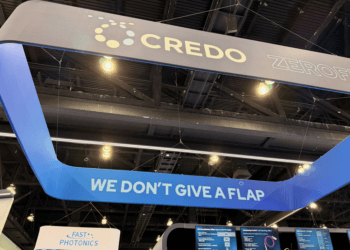
Credo Technology Group (NASDAQ: CRDO) reached separate settlement and licensing agreements with TE Connectivity (NYSE: TEL) and Molex, resolving multiple patent disputes related to Active Electrical Cable (AEC) technologies. The agreements bring an end to ongoing litigation, with all lawsuits between the parties set to be dismissed. Financial and licensing terms were not disclosed.
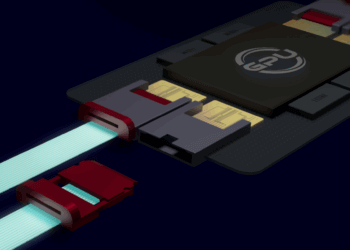
The settlements center on AEC technology, a critical interconnect approach for short-reach, high-speed data center links. AECs integrate signal conditioning components—typically DSPs and SerDes—within cable assemblies to extend copper reach while maintaining signal integrity at speeds spanning 100G to 800G and emerging 1.6T Ethernet. Credo has positioned its AEC portfolio alongside its broader connectivity offerings, including optical DSPs, line card ICs, and SerDes IP licensing, targeting hyperscale AI and cloud infrastructure deployments.
TE Connectivity and Molex are both major suppliers of high-speed interconnect systems, including copper and optical connectivity solutions used in data centers, telecom infrastructure, and industrial applications. The resolution of these disputes removes potential legal uncertainty in a segment that is seeing rapid adoption as hyperscalers evaluate trade-offs between pluggable optics, co-packaged optics, and copper-based interconnects for AI cluster scaling.
• Credo reached settlement and licensing agreements with both TE Connectivity and Molex
• All AEC-related patent lawsuits between the parties will be dismissed
• Terms of both agreements remain confidential
• AECs are increasingly used for short-reach, high-speed interconnects in AI data centers
• Credo’s portfolio includes DSP-based AECs, optical ICs, and SerDes IP
• TE Connectivity and Molex are key incumbents in high-speed connectivity infrastructure
“Based on this agreement, all lawsuits between the companies will be promptly dismissed.”
🌐 Analysis
These settlements remove a layer of IP risk in the rapidly scaling AEC segment, where vendors such as Credo, Marvell, and Broadcom are competing to define copper interconnect viability at 800G and beyond. As AI clusters expand, AECs continue to gain traction as a lower-power, lower-cost alternative to optics for short-reach links, particularly in top-of-rack and intra-rack deployments.